Risk Management
General Insurance
Data Science and AI
Climate and Sustainability
Risks the Government is watching closely (and why actuaries should too)



Claim your CPD points
While the document covers everything from defence projects to legal disputes, many of the underlying challenges are surprisingly familiar to actuaries. In this article, the Risk Insights Working Group (RIWG) explores three risks that stood out and reflects on what they might mean for actuaries.
The 2026 Federal Budget recognises climate change as a growing source of fiscal uncertainty, alongside geopolitical tensions and persistent inflation. It highlights three channels through which climate change may affect economic and fiscal outcomes: physical climate impacts, structural changes to Australia’s industry mix, and domestic and international policy responses to decarbonisation and adaptation.
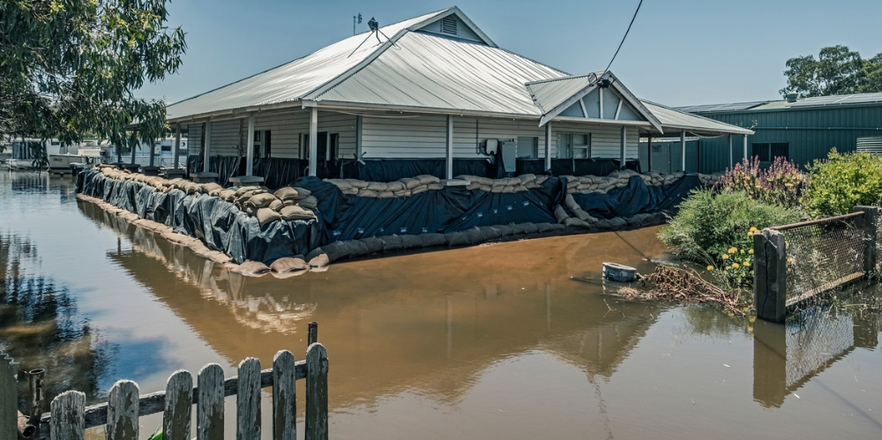
Several themes emerge. First, climate-related fiscal risks are already materialising. The Budget notes an elevated weather risk environment, with disaster recovery costs from recent events yet to be fully quantified. Physical climate risk is no longer a future concern but a current budgetary reality.
Second, the transition to a low-carbon economy presents both opportunities and risks. Significant investment in clean energy infrastructure is accompanied by ongoing liabilities associated with fossil fuel assets and climate-related litigation.
Finally, the Budget underscores broader systemic exposures, including insurance affordability, energy security, supply chain resilience and international climate finance commitments, highlighting the increasingly interconnected nature of climate risk across the economy and public finances.
Climate risk increasingly challenges actuaries to translate long-term, uncertain and interconnected exposures into assumptions and scenarios that inform today’s pricing, reserving, capital and broader financial decisions.
The National Disability Insurance Scheme (NDIS) is another key item highlighted in the budget as fiscal risk due to uncertainty around participant growth, support package budgets, utilisation rates and administrative costs. As the scheme has matured, expenditure has grown faster than originally expected, creating fiscal pressure on government budgets. To address this sustainability risk, the Government has implemented the National Disability Insurance Scheme Amendment (Getting the NDIS Back on Track No. 1) Act 2024, updated NDIS rules and introduced reforms to improve consistency in participant planning and budget determination. Through National Cabinet, all jurisdictions have agreed to pursue reforms that improve the scheme's long‑term sustainability and target annual expenditure growth of 5–6% or lower.
This is a reminder that sustainability challenges aren't unique to insurers. Governments face the same balancing act: providing meaningful benefits while keeping costs under control. This is where actuaries add value: helping quantify uncertainty, understand future cost pressures and inform sustainable decisions. There is also a wider market implication. If people with disabilities struggle to access NDIS support, some costs may ultimately find their way into insurance, creating new sources of claims pressure and volatility across the market.
The impact of recent oil shock is one of the top leading risks arising from geopolitical risk. The recently created Fuel and Fertiliser Security Facility (FFSF) highlights the growing impact of energy market volatility. Given ongoing geopolitical tensions, these risks are unlikely to ease in the near term, reinforcing the importance of strengthening Australia's energy security.
Renewable energy also plays an important role in reducing geopolitical risk by enhancing energy sovereignty. The situation in Iran has brought the exposure of fossil fuels to unilateral action into sharp relief. It has seen the creation of the Fuel and Fertiliser Security Facility in the National Interest Account, and raised its maximum exposure above any of the other facilities. Renewable energy, meanwhile, allows countries to source their energy locally, which reduces their vulnerability to shocks to global oil supply. However, it must also be considered how investment in renewables creates new potential dependencies on critical mineral supplies, such as Lithium.
Last but not the least, the influence of strategic partnerships, such as the US on Australian geopolitical risk remain significant. The nuclear submarine initiative is inextricably tied to an alliance with both the US and UK. The submarine itself requires continued cooperation with the US for training and the eventual handover of the submarine in the early 2030s. This dependence on the favour of these countries becomes a risk in itself, considering the money that has already been invested in the initiative.
The risks highlighted in the Federal Budget serve as a useful reminder that actuaries often operate within a much broader risk landscape than traditional financial risks alone. In an increasingly interconnected economy, developments in areas such as climate change, social policy and geopolitics can have implications across industries. Maintaining a broad perspective can help actuaries better understand emerging sources of uncertainty and support more informed decision-making in a rapidly changing environment.
The views expressed in this article are those of the author(s) or working group named below, and do not necessarily reflect the views of the Actuaries Institute. This work is licensed under a Creative Commons Attribution-NonCommercial-No Derivatives CC BY-NC-ND Version 4.0.

Actuaries help organisations identify, quantify and manage risk. Explore our latest thinking on risk management.
Subscribe to Actuaries Digital for free and receive the latest actuarial analysis, research, and commentary direct to your inbox