
All Actuaries Summit 2027 Program
The program has been designed for two-day attendance: one day focused on your practice area and one day for cross-practice opportunities. If you want to maximise your networking and industry insights, register for all three days.
2026 Program
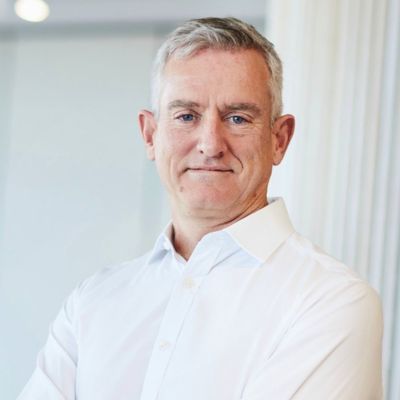
Scott Reeves, President, Actuaries Institute
As a Fellow of the Actuaries Institute, Scott has extensive experience in actuarial and non-actuarial roles over more than 30 years. Scott was the Head of New Markets and previously Head of Underwriting, Australasia for the Non-Life division at Munich Re for over 12 years where the team built new verticals for the reinsurance division with a clear emphasis on the implications of climate change for financial institutions, along with opportunities in AgTech, and GreenTech. Before that, Scott held broader roles in reinsurance Client Management, business management in the General Insurance sector, and in consulting outside of insurance. Scott has gained valuable cultural experience through working in Australia, Asia and the UK.
Multi-rhythm leadership is the capability to move deliberately between structured planning, iterative learning and real-time sensing.
Leave with practical tools to lead with confidence amid rising costs, natural disasters, climate volatility and rapidly evolving customer expectations.
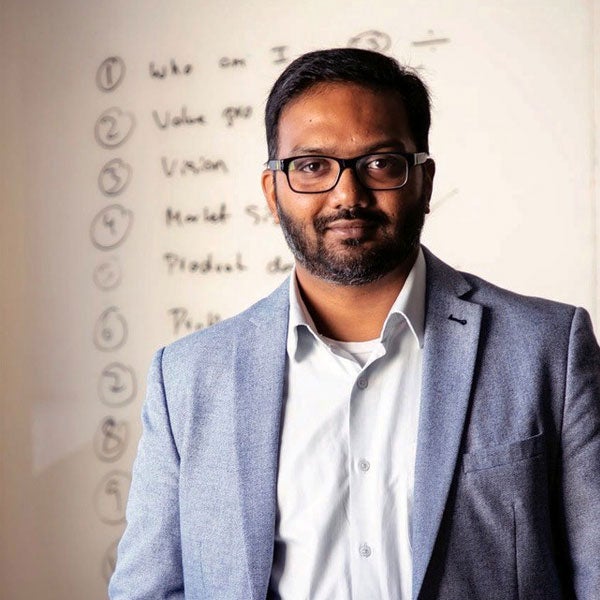
Suhit Anantula, AI Strategy and Human-Centered Innovation Expert
Suhit Anantula is a leading voice on co-intelligent organisations—enterprises that blend human expertise and machine intelligence into adaptive, compound-thinking systems. As founder of The Helix Lab, he works with CEOs, boards and policy leaders to architect AI strategy, build private LLM engines, and redesign organisational decision rhythms across complex environments. Suhit is the author of The Helix Moment and co-author of The Policy Playbook. He is currently writing his next book, The Co-Intelligent Organisation(2026).
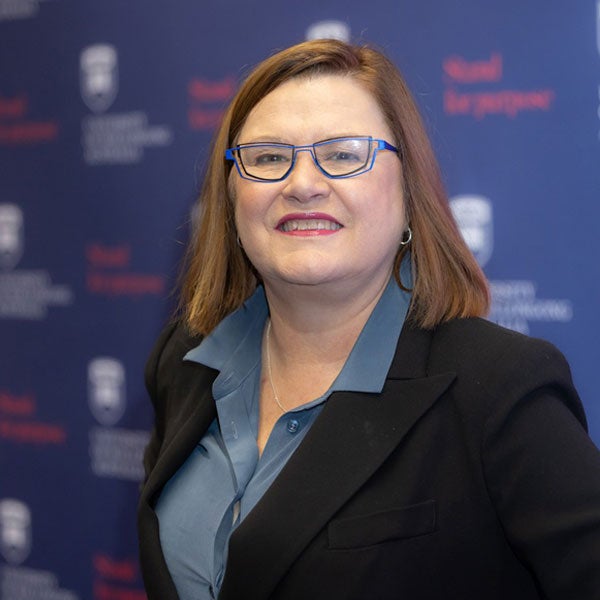
Jacki Johnson, Non-Executive Director, Community First Bank
Dr Jacqueline Johnson brings over 30 years’ leadership experience across insurance, regulation and sustainable finance. As CEO of IAG NZ, she rebuilt the business following major seismic events, securing capital, strengthening customer and community trust, and delivering long-term resilience in a high-hazard market. She has held global system-level roles including Co-Chair of UNEP FI and Founding Co-Chair of ASFI, shaping the frameworks that now guide climate, risk and sustainability practices across the financial sector. Jacki is a research fellow at the University of Wollongong, a faculty member with the Cambridge Institute for Sustainability Leadership, and an Non-Executive Director at Community First Bank . Her work focuses on sustainable insurance, climate governance, stakeholder value and system resilience.
Ian Hamm, Chair, Indigenous Land and Sea Corporation, Chair, First Nations Foundation, Board Director, The Healing Foundation
Ian Hamm is a Yorta Yorta man and a respected advocate for Aboriginal and Torres Strait Islander people. With a distinguished career spanning government and the community sectors, he has been instrumental in contributing to Closing the Gap and advancing Aboriginal representation in high-level decision-making. Ian has led strategic reforms in government and numerous organisations and remains deeply committed to advocacy and mentoring. He is, amongst others, the Chair of the Indigenous Land and Sea Corporation, Chair of the First Nations Foundation, a Board Director of The Healing Foundation, and former Chair of Connecting Home Ltd, a Victorian Stolen Generations service. In recognition of his work , Ian was recently awarded an Honorary Doctor of Business by Swinburne University of Technology.
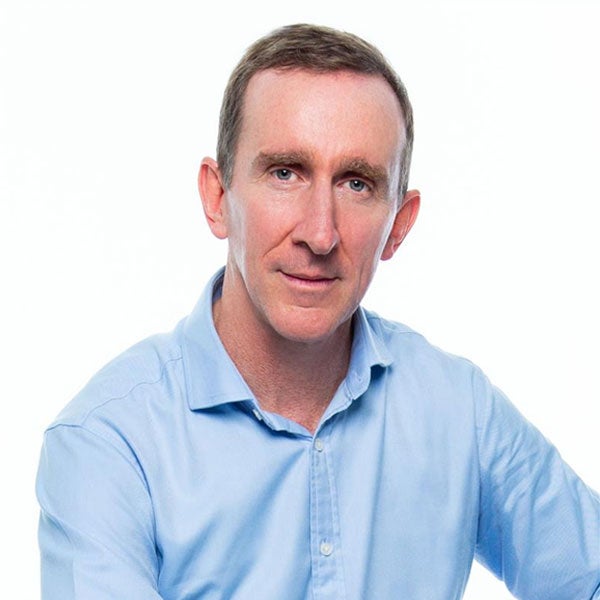
Chair: Andrew Matthews, Principal, Finity Consulting
Andrew is a Principal and Actuary at Finity Consulting and an Associate Professor at Monash Business School as well as a PhD candidate at University of Newcastle. He strives to create the conditions for forging ahead by applying actuarial capabilities to surface facts, explore possibilities and initiate collective actions. Andrew specialises in Health Insurance.
Key findings from the Australian Actuaries Intergenerational Equity Index (AAIEI) update to 2025
Deeper analysis following the update into the housing domain and the lifecycle of government funding flows by age
Other key research into intergenerational inequity including discussion of the implications and proposed solutions.
The AAIEI (https://tinyurl.com/4tfh6h83 and https://tinyurl.com/y3evt62m) tracks 24 indicators across six broad domains that relate to wealth and wellbeing (Economic and Fiscal, Housing, Health and disability, Social, Education and Environment). The absolute change as well as the relative change is tracked for three age groups. This provides a means to explore changes in intergenerational equity over time. We recently updated the index to 2025 and will highlight key findings.
Alongside the update we carried out analysis into the highly topical area of housing, which is marked by poor affordability, falling home ownership rates and longer durations renting. As one bank CEO recently expressed it “If [the housing market] doesn’t change and you live in Sydney, you’ll never know your grandkids”. By exploring data behind the indicators we will present insights on rental affordability plus home ownership projections. We will discuss findings and relevant policy implications.
A further analysis area was the ‘lifecycle’ view of how money (particularly government money) flows by age; younger age groups receive support (e.g. education), working-aged adults tend to be net taxpayers (taxes paid are greater than government services and benefits, on average), and older people net beneficiaries (e.g. through the age pension). Existing research paints a good picture of this lifecycle. We built on this by updating social spending estimates to capture recent programs (such as the NDIS rollout). We will discuss findings and policy implications for fiscal sustainability over the lifecycle.
The final component of our presentation will cover key research by other authors, the Intergenerational Report, and takeaways for actuaries in terms of policy proposals and reforms to watch for over coming years.
Hugh Miller, Taylor Fry
Hugh Miller is a principal at Taylor Fry. For the past 10 years he has been applying actuarial techniques to social sector problems spanning welfare, employment, housing, disability and health. He has led major pieces of work for the Disability Royal Commission and the NDIS Review and was 2021 Actuary of the Year.
Laura Dixie, Taylor Fry
Laura Dixie is an experienced actuary and a director at Taylor Fry consulting. She works in Taylor Fry’s Government practice using quantitative analysis applied to a range of datasets to understand how people interact with services in the health, disability and social sectors. This often means using linked datasets and statistical analysis to support government in making sustainable decisions that benefit community.
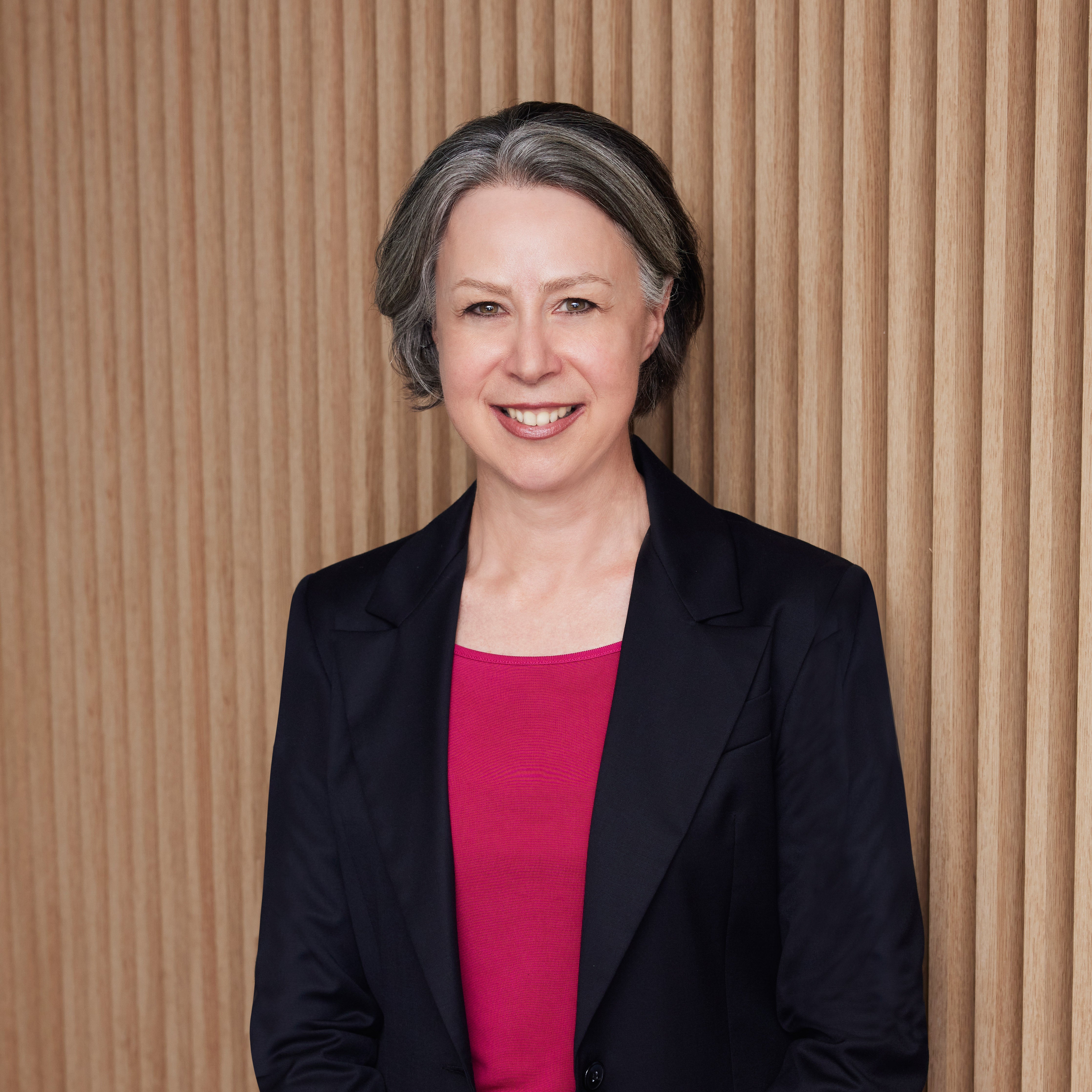
Chair: Vanessa Beenders, Executive General Manager, Public Policy & Professionalism, Actuaries Institute
Vanessa leads the Institute’s public policy program, sharing the profession’s insights on key societal issues in major reports, papers and submissions. She also oversees support to Practice Committees, technical and professional support to its members, and the year-round events program. Previously she worked at Commonwealth Bank, Commonwealth Treasury, Federal Treasurer’s office and the NSW Department of Education.
Developing an inherently interpretable deep learning model for general insurance pricing is highly desirable, as it enables actuaries to harness the strong predictive power of deep learning while ensuring the model remains commercially viable and transparent. However, building such a model is challenging due to the absence of a universally accepted definition of interpretability. Establishing a rigorous, industry-wide framework to define and assess model interpretability is therefore essential. Moreover, beyond interpretability, various practical considerations (e.g. smoothness, monotonicity) are critical requirements for general insurance pricing models.
This research makes two primary contributions:
1. Interpretability framework for insurance pricing: We establish a rigorous framework that provides a concrete definition and mathematical formulation of interpretable pricing models. The framework articulates how interpretability can be formally expressed and outlines the interpretability and practical requirements that are essential in the insurance pricing context. This serves as a foundation for developing a common standard that can be adopted across the industry to define, design, and evaluate the interpretability of pricing models.
2. Actuarial Neural Additive Model (ANAM): We introduce ANAM, an inherently interpretable deep learning model for general insurance pricing. ANAM integrates the Neural Additive Model with several key enhancements within both its architecture and training process. These features ensure that the model satisfies actuarial interpretability standards while maintaining strong predictive performance and practical applicability.
Comparisons of predictive performance are conducted against both traditional actuarial models and state-of-the-art machine learning techniques using synthetic and real-world insurance datasets. The results demonstrate that the proposed model consistently outperforms alternative approaches in most scenarios while maintaining full transparency in its internal mechanisms, highlighting its strong interpretability and predictive power.

Duc Tu Pho, Munich Re
Tu is an Actuarial Analyst working in the non-life reinsurance industry. He graduated from the University of New South Wales with First Class Honours and was awarded the University Medal for his Bachelor of Actuarial Studies (Honours). Prior to that, he completed a double degree in Actuarial Studies and Data Science at Macquarie University. Tu’s research interests lie in the application of machine learning techniques to general insurance pricing and reserving, with a focus on developing interpretable and practical models for actuarial use.
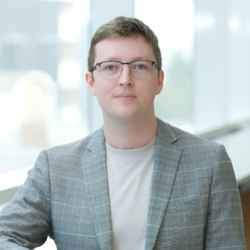
Patrick Laub, UNSW
Patrick Laub is a senior lecturer at the UNSW School of Risk and Actuarial Studies. His teaching covers artificial intelligence and machine learning courses, with a focus on risk and insurance applications. He holds a PhD in computational applied probability and degrees in software engineering and mathematics. Patrick's research focuses on computationally challenging problems in actuarial data science, with a focus on natural catastrophe modelling and artificial intelligence.
Bernard Wong, UNSW
Professor Bernard Wong is Head of the School, Risk and Actuarial Studies at the University of New South Wales, Australia. He is a Fellow of the Institute of Actuaries of Australia, a Fulbright Scholar, and obtained his PhD from the Australian National University. His current research interests span two interrelated main areas: AI/ML enhanced actuarial methods for risk modelling, and capital modelling for risk and insurance businesses - especially under climate change, dependence, and extremes. Bernard is co-lead of the Innovations in Risk, Insurance, and Superannuation (IRIS) Knowledge Hub, a chief investigator in the UNSW Institute of Climate Risk and Response, and founding member of the Business AI Lab. His research is funded via Australian Research Council Linkage and Discovery Project schemes, and he has been recognised via the award of numerous prizes, including the Melville Practitioner Prize, Hachemeister Prize (twice) and the Taylor-Fry Silver Prize. Bernard has taught most of the courses corresponding to the professional actuarial syllabus, with a particular focus in recent years in the areas in innovations in the areas of actuarial data science, and in quantitative models of enterprise risk management. Bernard is currently on the Board of ASTIN, the non-life insurance section of the International Actuarial Association, and previously also served on the Australian Actuaries Institute Data Analytics (Data Science) Practice Committee.
Chair:Vasily Skalova
Vasily is a qualified Actuary (FIAA, CERA) with a decade of experience across the broader financial services and insurance industries. He specializes in bridging the gap between highly technical data science and strategic business outcomes. Drawing on deep expertise in advanced analytics, applied machine learning, and cloud architecture, Vasily leads a team focused on delivering robust analytics strategies, driving AI innovation in pricing, and supporting commercial transformation. In his day-to-day work, Vasily leverages a rigorous actuarial skillset to solve both traditional and non-traditional business challenges. Beyond standard risk and pricing models, he advises on predictive frameworks that optimize network operations, elevate digital marketing and customer service strategies, and guide executive-level decision-making. Throughout his career, Vasily has championed technology-led solutions—from modernizing complex modeling pipelines to utilizing cloud platforms to build resilient data assets. His focus is always on uncovering practical behavioral insights that support market growth and enhance long-term customer value. A core part of Vasily’s approach is translating sophisticated statistical insights into commercially actionable language, empowering stakeholders to confidently navigate complex market dynamics. An avid lifelong learner, Vasily is passionate about thoughtfully adopting emerging technologies to provide practical insights and deliver meaningful value.
Key Messages
If you have no claims and exposure data, you can get creative in using publicly available data sources. Insurtechs have done this with great success, and you can too.
We will share some tangible examples of creative use cases.
How to supplement industry standard models with non-traditional data to develop your company’s own view of risk.
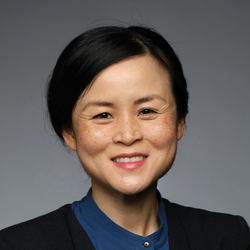
Jessica Leong, Octogram
Jessica Leong is the CEO of Octagram, an actuarial firm specializing in general insurance pricing. Prior to founding Octagram 4 years ago, Jessica was Head of Data and Analytics at Zurich North America. There, her team build predictive model for commercial general insurance lines across USD$16 billion in premium. From 2020–2021, Jessica was President of the Casualty Actuarial Society in the U.S. and was proud to lead this professional organization serving over 9,000 members. After spending 24 years abroad, Jessica now resides in Melbourne, Australia with her husband and two kids.
Chair: Mudit Gupta
Whether it's food delivery, tourism or routine travel; the modernisation of the motor industry brought upon by the increased electric vehicle usage is creating a vastly different operating compared to what has been observed historically. Different road and vehicle laws, licensing, scheme and product design has created significant experience differences between Australian states. This has created unique operating environments in which insurers must navigate.
Personal Mobility Devices are small, electrically powered device and are generally designed for a singular user to travel short distances. They typically include devices such as electric scooters (e-scooters), electric bikes (e-bikes) and electric skateboards (e-skateboards). PMDs have seen increased usage over recent years which can partially be attributed to the ease of access caused by the entrance of shared mobility companies into the market. This has led to PMDs becoming heavily used, particularly in the food delivery industry where delivery drivers leverage them to efficiently navigate urban areas.
PMDs can exhibit vastly different risk characteristics to other forms of conventional transport due to their unconventional design, distinct rider behaviour and different operating environments. Road infrastructure and urban environments, state-based legislation, interactions with pedestrians and other road users and the implementation of telematics all have the propensity to further influence risk profiles creating further complexities for insurers.
With a focus on electric bikes and electric scooters; this paper will look at the impacts that the increasing usage of personal mobility devices are having on the Australian insurance market through a comprehensive review of existing literature and comparison of those findings against local data. As part of this process, we have focused on the different injury frequency and severity experience in a selection of different Australian states and analysing the different factors that may influence them. This includes incorporating the different operating environment that personal mobility devices exist in, including regulation and road rules such as licensing, helmets and speed limits, road infrastructure and insurance regulations and scheme design (i.e. Compulsory Third Party, Workers Compensation).
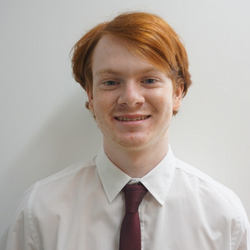
Lachlan Clark
Lachlan Clark is an actuary with experience spanning a wide range of positions across Australia in both insurance and data analytics. His current role focuses primarily on General Insurance and data analytics projects, where he applies actuarial approaches in both traditional and emerging areas. Lachlan has worked across a wide range of areas including climate risk, banking, workforce and supply chain modelling as well as in reserving and pricing roles for a variety of general insurers both domestic and internationally including supporting audit and appointed actuary roles. He brings a practical, data-driven approach to addressing emerging risks and challenges in the industry.

Chair: Rade Musulin, Principal, Finity Consulting
Rade Musulin is a Principal at Finity Consulting in Sydney, specialising in extreme events and climate risk. He previously held senior roles at FBAlliance Insurance, Aon Benfield Analytics, and Florida Farm Bureau Insurance Companies. Rade chairs the International Actuarial Association's Climate and Sustainability Committee and serves on the Actuaries Institute's Climate and Sustainability Practice Committee. He was named co-winner of the Actuaries Institute's Actuary of the Year (2023) and received the American Academy of Actuaries' Jarvis Farley Service Award (2025). His main areas of interest include how changing population demographics affect catastrophe exposure, climate change adaptation, applications of catastrophe models for disaster planning in developing countries, building code development, and community resilience.
What are the perspectives of Health Appointed Actuaries in this changing landscape – is the industry and Government focussing in the right areas, or where should we change to support better outcomes? What role are actuaries playing in this sector, and is that enough or can we have more of a positive impact?
Ben Ooi, BUPA
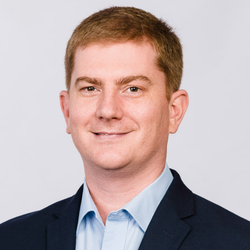
Nicholas Stolk, Finity
Nick Stolk is a consulting health insurance actuary and a Principal in Finity’s Private Health Insurance Practice. He is currently the Appointed Actuary to 8 health insurers, and is celebrating his 21st year of working with Australian health insurers in 2026. In recognition of his coming of age he has gone global, which is to say he is working with a New Zealand health insurer. Nick loves the people, the politics and the purpose of Australia’s not for profit health insurance sector and is happy to discuss the ideas, trends and complexities of Australia's health system with anyone who will listen.
Adam Stolz, Medibank
Chair: Dimity Gartzionis
Dimity brings over 20 years of experience in the private health insurance industry, including Appointed Actuary roles held both internally at an ASX-listed insurer and as an external consultant. She currently serves as an Educator with the Actuaries Institute and holds dual roles as Subject Matter Expert and Insurer Partnerships Lead at health insurance comparison website healthslips.com.au. Dimity was a member of the project team behind Australia's current risk equalisation parameters, developed in 2004 with industry-wide agreement, and brings firsthand perspective on the challenges of complex system change.
The discussion is framed around three practical gaps that continue to limit progress: an information gap, a solutions gap, and a funding gap. Better data, modelling, and exposure ownership enable more informed decisions and targeted prevention. A broader toolkit — spanning traditional insurance, structured risk transfer, and alternative reinsurance mechanisms — allows risks to be managed more strategically rather than accumulating on public balance sheets. Finally, access to diversified sources of capital, including insurance-linked and alternative capital, expands capacity and improves affordability. Using examples from global government pools and public-sector risk programmes, the session focuses on how PPPs function in practice, what design choices matter, and how these lessons can inform Australian debates on resilience, funding, and risk sharing. The objective is practical: to move from analysis to execution, and from fragmented responses to coordinated solutions.
Bo Jiang, Swiss Re

Chair: Adrian McGarva
Adrian has been the Managing Director of PFS since early 2020 and is an Appointed Actuary to multiple Australian General Insurers. He qualified as an actuary in both Australia and the UK and has extensive experience within the general insurance, reinsurance and corporate finance industries in Australia, the UK, and Switzerland. Adrian has over 30 years’ financial services experience, including seven years as the Chief Actuary of a global insurance and reinsurance group where he was responsible for the pricing, reserving, and capital adequacy functions as well as providing significant input into underwriting and business strategy.
We develop a unified framework that grounds fairness testing in classical statistical inference, providing clear definitions, reproducible methods, and auditable protocols.
Our framework advances fairness testing along four key dimensions. First, we formalise widely discussed fairness criteria that can be potentially applied to insurance pricing contexts as hypotheses on identifiable estimands, making fairness notions statistically precise. Second, we introduce decision rules that incorporate explicit tolerance thresholds, reflecting regulatory standards in practice. Third, we propose inference procedures, bridging actuarial practice with fairness guarantees. Fourth, we design a quote-audit protocol that specifies how to collect, test, and validate fairness claims in a manner that is transparent and replicable.
By combining inferential rigour with regulatory practicality, our approach delivers a coherent methodology that both regulators and insurers can implement. The framework integrates uncertainty quantification and audit design into a single pipeline, ensuring that fairness tests are interpretable, reproducible, and statistically robust. Beyond pricing, the principles can be extended to approval outcomes and process measures, providing a flexible foundation for responsible insurance analytics. The result is a regulator- and insurer-ready toolkit that aligns fairness testing with statistical guarantees and supports the broader goal of accountable and transparent insurance practices.
Fei Huang, UNSW
Dr. Fei Huang is an Associate Professor in the School of Risk and Actuarial Studies at UNSW Business School. She is also a columnist for Actuaries Digital, writing Responsible Data Science series. Her research focuses on responsible AI and data-driven decision-making, with applications in fair insurance pricing, interpretable machine learning, mortality modelling, and customer relationship management. Her research has been published in leading actuarial journals and has received many prestigious recognitions, including the North American Actuarial Journal Best Paper Award, ASTIN Colloquium Best Paper Award, the Australian Business Deans Council (ABDC) Award for Innovation and Excellence in Research, and fundings from the Australian Research Council (ARC), Society of Actuaries, and Casualty Actuarial Society.
Giles Hooker, University of Pennsylvania
Giles Hooker is Professor of Statistics and Data Science at the University of Pennsylvania. His work has focussed on statistical methods using dynamical systems models, inference with machine learning models, functional data analysis and robust statistics. He is the author of Dynamic Data Analysis: Modeling Data with Differential Equations and Functional Data Analysis in R and Matlab.
Chair: Andrew Zheng
• The evolving role of the Appointed Actuary and interactions with Boards, CROs, and regulators
• Emerging and operational risks (including AI and technology risk)
• The future skillset and positioning of Appointed Actuaries, including career pathways into broader executive and Board roles
Christopher Armstrong
David Jenkins
Annette King
Chair: Scott Duncan, Taylor Fry
Scott is a Principal at Taylor Fry and is a member of the General Insurance Practice Committee. He holds several appointed actuary roles across Australia and New Zealand. Scott has a keen interest in how technology is shaping medical practice and the flow on impact on medical indemnity insurers. He has worked with a range of public and private sector medical indemnity providers across pricing, reserving and capital management.
Australia provides a rare natural experiment: individuals under 65 with disability may access the National Disability Insurance Scheme (NDIS), which offers flexible, need-based funding. After 65, new applicants are eligible only for standardised, means-tested aged care packages. This age cutoff creates a clear contrast in support intensity, flexibility, and incentives for maintaining health, function, and financial independence. We exploit the age-65 threshold in a fuzzy regression discontinuity design with the staggered NDIS rollout, implementing a difference-in-discontinuities framework. This approach enables credible causal identification in a setting with dynamic, long-term outcomes and staggered policy exposure, a combination rarely studied in health economics.
Using population-level linked administrative data containing social services, census, and tax records (PLIDA) from 2011 to 2024, we follow individuals just below and above the cutoff across outcomes. Our study population draws from 1.4 million individuals aged over 65 accessing care support. Our treatment group consists of 39,000 NDIS recipients currently aged over 65, while our primary control group consists of 275,000 participants of the Home Care Packages Program.
We compare discontinuities across granular regions and rollout periods to isolate the effect of early, flexible support from age-related trends and confounders. We also examine heterogeneity by baseline functional capacity, gender, and disability type, and test robustness to alternative bandwidths, placebo cutoffs, and pre-trend specifications.
This research informs Australian policy on life-course investment and provides insight into key normative trade-offs in social care reform, including balancing upfront investment with downstream savings, fairness with fiscal sustainability, and flexibility with standardisation.
Maathu Ranjan
Maathu Ranjan is a senior public servant, actuary, and Sir Roland Wilson Scholar at ANU’s Crawford School of Public Policy. She has held leadership roles in the Australian Public Service and brings expertise in economics, data analytics and evidence-based policy. Maathu is currently the Senior Vice President of the Actuaries Institute Australia and an award-winning researcher, having held appointments at the University of Oxford, the Australian National University, and the University of New South Wales. She is passionate about inclusive systems and the use of rigorous evidence to drive strategic decision-making and long-term social impact.
Chair: Laura Dixie, Taylor Fry
Laura Dixie is an experienced actuary and a director at Taylor Fry consulting. She works in Taylor Fry’s Government practice using quantitative analysis applied to a range of datasets to understand how people interact with services in the health, disability and social sectors. This often means using linked datasets and statistical analysis to support government in making sustainable decisions that benefit community.
Current industry practice relies heavily on Pearson’s correlation coefficient, which has well-known limitations. Correlation captures only linear association (Embrechts et al., 2002), meaning two variables can be dependent yet have zero correlation. It is also restricted to measuring pairwise associations (McNeil et al., 2015), and many actuarial models involve more than two random variables. Because pairwise dependence properties do not naturally extend to the multivariate case, the sole use of correlation is intrinsically limiting. For example, correlation will fail to identify a situation where variables are pairwise independent but mutually dependent. This is problematic because many fundamental results − including Central Limit Theorems (CLT) which are pervasive in many applications − often fail under sole pairwise independence (e.g., Avanzi et al., 2021; Boglioni Beaulieu et al., 2021).
In this paper, we explain how distance correlation (Székely and Rizzo, 2009) and Hellinger correlation (Geenens and Lafaye de Micheaux, 2020) address the aforementioned issues and can hence be used as a powerful tool in actuarial applications. Those measures are defined on interpretable distances and are remarkably zero if and only if two variables (or vectors in the case of distance covariance) are independent.
A number of extensions of those measures have been developed in the statistical literature, and we discuss how these can be applied in actuarial practice. For example, joint distance covariance (Chakraborty and Zhang, 2019) captures mutual dependence among more than two random vectors (e.g., multi-line capital aggregation). Auto- and cross-distance correlation (Zhou, 2012) can be used in time series analysis (e.g., claims or mortality), while partial distance covariance (Székely and Rizzo, 2014) can help test conditional independence or guide variable selection (e.g., pricing models).
These new tools offer a robust framework for detecting and modelling nonlinear and higher-order relationships in data, and can help strengthen the reliability of actuarial applications. As global risks become increasingly interconnected − for example, through the effects of climate change − dependencies between risks are likely to strengthen and become more complex. The paper takes particular care in illustrating these concepts in an actuarial context and aims to provide a practical toolkit to those actuaries who may wish to use them in their own practice.

Ho Ming Lee
Ho Ming Lee is currently a PhD candidate in a joint PhD program between the University of Melbourne, Australia, and KU Leuven, Belgium. He completed a Master’s degree in Actuarial Science and a Bachelor of Science, majoring in pure mathematics, at the University of Melbourne. His current research focuses on fairness considerations in actuarial applications, spanning both theoretical and machine-learning work.
Bernard Wong, UNSW
Professor Bernard Wong is Head of the School, Risk and Actuarial Studies at the University of New South Wales, Australia. He is a Fellow of the Institute of Actuaries of Australia, a Fulbright Scholar, and obtained his PhD from the Australian National University. His current research interests span two interrelated main areas: AI/ML enhanced actuarial methods for risk modelling, and capital modelling for risk and insurance businesses - especially under climate change, dependence, and extremes. Bernard is co-lead of the Innovations in Risk, Insurance, and Superannuation (IRIS) Knowledge Hub, a chief investigator in the UNSW Institute of Climate Risk and Response, and founding member of the Business AI Lab. His research is funded via Australian Research Council Linkage and Discovery Project schemes, and he has been recognised via the award of numerous prizes, including the Melville Practitioner Prize, Hachemeister Prize (twice) and the Taylor-Fry Silver Prize. Bernard has taught most of the courses corresponding to the professional actuarial syllabus, with a particular focus in recent years in the areas in innovations in the areas of actuarial data science, and in quantitative models of enterprise risk management. Bernard is currently on the Board of ASTIN, the non-life insurance section of the International Actuarial Association, and previously also served on the Australian Actuaries Institute Data Analytics (Data Science) Practice Committee.
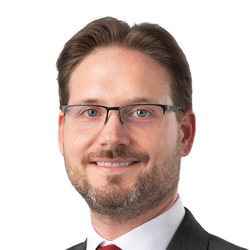
Benjamin Avanzi, University of Melbourne
Benjamin Avanzi, PhD, Actuary SAA, GAICD, CERA, FIAA, is Professor of Actuarial Studies at the University of Melbourne. He has worked as an actuarial consultant in Switzerland and Canada, served as the Executive Chairman of the Board for a Swiss pension fund from 2006 to 2008, and has held full-time academic positions in Australia and Canada since 2008. Along with various co-authors, he has been awarded the Hachemeister Prize twice by the Casualty Actuarial Society, in 2017 and 2023, the Taylor Fry General Insurance Seminar Silver Prize in 2018, a Highly Commended Paper Prize from the Institute and Faculty of Actuaries in 2022, as well as both Melville and Carol Dolan All Actuaries Prizes in 2025. He is an Editor of the ASTIN Bulletin: The Journal of the International Actuarial Association and an Associate Editor of the journal Insurance: Mathematics and Economics.

Guillaume Boglioni Beaulieu, UNSW
Guillaume Boglioni Beaulieu is an Education-Focused Senior Lecturer in the School of Risk and Actuarial Studies at UNSW Sydney. He previously served as Lecturer at Macquarie University (2022-2024) and Associate Lecturer at UNSW (2020-2022), where he also completed his PhD in Actuarial Studies in 2023. He holds a Master’s degree in Statistics (2017) from the Université de Montréal. Guillaume’s research interests lie in probability theory, independence testing and dependence modelling, with particular focus on actuarial applications. His contributions include counterexamples to classical central limit theorems under weaker notions of independence.
Pierre Lafaye de Micheaux
Pierre Lafaye de Micheaux is a Canadian/French/Swiss statistician specializing in mathematical and applied statistics. He completed postdoctoral fellowships at the Centre de Recherches Mathématiques in Montréal and McGill University's Brain Imaging Center before becoming Assistant Professor at Grenoble Alps University in 2003. After serving as Affiliate Researcher at the Grenoble Neuroscience Institute, he joined Université de Montréal in 2009, where he became Associate Professor in 2011. He later held positions at UNSW Sydney, CREST-ENSAI, and Université Paul Valéry, and was promoted to Associate Professor at UNSW in 2020. His research spans dependence measures, (neuro)imaging genetics, and data science, with contributions to R package development and industrial applications in machine learning and deep learning. He co-leads three research groups on dependence measures, imaging genetics, and IoT/data science.
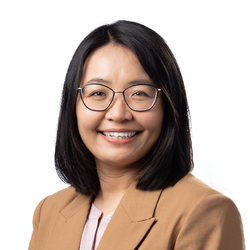
Rui Zhou
Bio
Chair: Greg Taylor
Greg Taylor is Adjunct Professor in the School of Risk and Actuarial Studies at the University of New South Wales. Prior to that, he was a consulting actuary for many years.
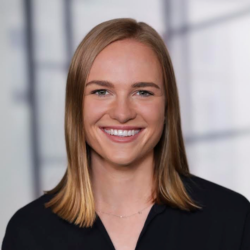
Caitlin Fowlds
Caitlin Fowlds is a qualified actuary specialising in the Private Health Insurance sector. She has a strong passion for applying actuarial insights to improve the quality and affordability of healthcare in Australia. Caitlin holds a Bachelor of Actuarial Studies (Co-op stream) from Macquarie University and is a Fellow of the Actuaries Institute. She began her career in consulting and is now an Actuary at HCF, where she focuses on pricing, benefit costing and product design.
Nicholas Stolk, Finity
Nick Stolk is a consulting health insurance actuary and a Principal in Finity’s Private Health Insurance Practice. He is currently the Appointed Actuary to 8 health insurers, and is celebrating his 21st year of working with Australian health insurers in 2026. In recognition of his coming of age he has gone global, which is to say he is working with a New Zealand health insurer. Nick loves the people, the politics and the purpose of Australia’s not for profit health insurance sector and is happy to discuss the ideas, trends and complexities of Australia's health system with anyone who will listen.
Juanita Jamsari, Finity
Juanita is a qualified actuary specialising in Australia’s private health insurance sector. She was previously a consultant with 10 years of experience in private health insurance, having worked with 25 health insurers, industry bodies, and the Department of Health, Disability and Ageing. She now operates as the Chief Financial Officer at a health fund. She is also a member of the Gold Hospital Working Group at the Institute of Actuaries of Australia.
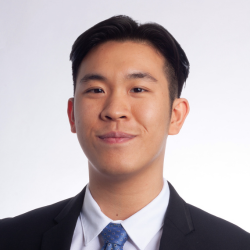
Andrew Uen, Finity
Andrew Uen is an actuary at Finity, specialising in Private Health Insurance. Finity’s health practice currently provides Appointed Actuary services to 30 of Australia’s 35 private health insurers, and Andrew supports his clients across a range of actuarial services including financial forecasts, claims analysis, customer lifetime value, and climate modelling. His broader experience also includes workers compensation schemes and the development of economic assumptions.
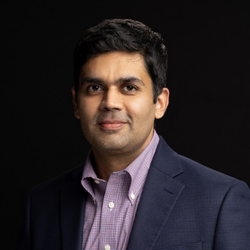
Chair: Ankit Nanda
Ankit Nanda is Manager of Actuarial Advisory Services at a large U.S.-based health insurance carrier and resides in Gurugram, India, where he leads a team of analysts and consultants supporting U.S. healthcare clients. With nearly 13 years of experience across reinsurance, employer stop loss, managed care, and consulting, he brings a distinctive cross-border perspective to actuarial practice. Ankit is a Fellow of the Society of Actuaries, a Member of the American Academy of Actuaries, and a Member of the Conference of Consulting Actuaries. He serves on several professional committees, including the American Academy of Actuaries Health Care Delivery Committee, the Society of Actuaries India Committee, and the Institute and Faculty of Actuaries Mental Health Working Party. His research spans both U.S. and Asian healthcare markets, with recent work focused on emerging risks in health insurance—such as GLP-1 coverage frameworks and value-based care models—topics increasingly relevant to the evolving global insurance landscape. He holds an M.S. in Mathematical Finance from Boston University.
This presentation draws on collaborative research led by the GIPC Injury and Disability Working Group, with support from the Young Data Analytics Working Group (YDAWG) of the DSAIPC. Through surveys and consultations with scheme actuaries, administrators and digital strategy leads, we map current and emerging uses of generative AI across Australian, NZ and Canadian injury and disability schemes, particularly citing case studies and pilots schemes are deploying. Further, we consider what future advancements in AI may look like for these schemes
In exploring this evolution, key focus areas include:
Scheme Processes
How schemes are deploying or trialling generative AI in real-world contexts — for example, automating claims correspondence, summarising medical reports, enabling customer service interactions, and improving triage for psychological and complex injuries.
Operational Benefits
Ways AI is increasing internal efficiency, easing administrative burdens on case managers, and enabling faster, more informed decisions, particularly in high-volume or high-complexity areas of claims management.
Fraud Detection and Analytics
How generative AI and natural language models are informing predictive analytics, detecting anomalies, and synthesising disparate claim data to support governance and financial sustainability.
Challenges and Guardrails
Consideration of risks and limitations, including data privacy, ethical use, regulatory expectations, bias in large language models and the essential role of human oversight.
Actuarial Involvement and Leadership
Actuaries work across centrally managed and privately underwritten schemes, regulators, consultants, case management providers and rehabilitation specialists. They are increasingly shaping AI strategy — from designing use cases and assessing data readiness to evaluating performance and fairness. This moment offers a uniquely actuarial opportunity to apply rigour, influence governance, balance financial and social outcomes, and guide AI-enabled redesign of scheme models.
Future Outlook
We explore how early successes and emerging lessons, both within schemes and in broader industries, can help actuaries and scheme leaders design more adaptive and client-centred models that support early intervention, enable tailored recovery pathways, and improve data sharing across compensation, health and employment systems — enhancing both social and economic resilience.
This presentation will equip injury and disability scheme professionals with a balanced understanding of how generative AI can be further leveraged to move its use from beyond hype, to become a powerful enabler of sustainable, client-centred schemes. It will also highlight key opportunities for actuaries to lead in this space, by applying actuarial rigour, advancing ethical data use, demonstrating strategic foresight and contributing to the long-term social and financial sustainability of schemes.
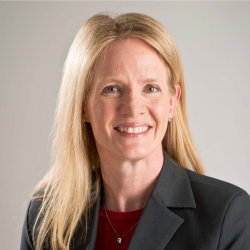
Nicole Appleton
Niki is a qualified actuary with over 25 years of consulting and advisory experience. She combines her strong technical analytic skills with stakeholder engagement expertise and commercial acumen to understand issues clients face and then work with them to develop value adding solutions. Niki has worked on projects across a number of industry sectors including general insurance and injury schemes to community clubs and government social policy. She is a member of the Institutes Injury and Disability working group, s sub-section of GIPC.

Meg Yang, Finity
Meg Yang is a Fellow of the Actuaries Institute and volunteers as the Deputy Chair of the Young Data Analytics Working Group and member of the Data Science and AI Practice Committee. In her role as a consultant at Finity Consulting, she is passionate about harnessing cutting‐edge AI tools to deliver innovative, practical solutions that tackle everyday challenges in the general insurance space.
Ean Chan, EY
Ean is a Senior Manager within EY's Actuarial Services team, with experience in Life Insurance, Data Analytics and AI, primarily concentrating on Health and Human Services clients. As chair of the Institute's Young Data Analytics Working Group and member of the Data Science and AI Practice Committee, Ean is dedicated to driving progress in the actuarial field by augmenting our expertise with the latest data science, AI and machine learning methodologies.
Chair: Kelly Lee, WorkSafe Victoria
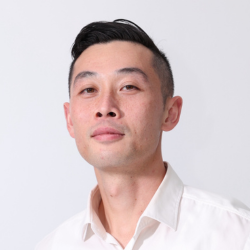
Jin Cui, TAL
Jin is a qualified actuary with experience in Life Insurance and Data Science, and more recently, General Insurance. He’s currently a Senior Actuary at Greenstone Financial Services. Jin loves to apply a blend of data science and statistical techniques to solve complex business problems, as well as help drive innovation, growth and partnership opportunities.
For example, behavioural models may be integrated with data analytics to allow insurers to better understand the drivers of health-related behaviours among their members. With increasing amount of data collected outside of the insurance itself, such as from wearables, affiliated clinics and sponsored events, patterns and triggers may be monitored and analysed to encourage toward healthier behaviours. Predictive modelling also helps to identify claims leakage and informs the development of more robust claims rules to prevent future losses. Additionally, by forecasting claims volumes and complexities, predictive modelling supports more effective workforce planning, ensuring resources are aligned with expected demand. Also, analytics-powered lifetime value (LTV) models uncover attributes of high-value policies, guiding acquisition and retention strategies. Insurers can embark on a data-driven approach to tailor marketing and engagement efforts more effectively.
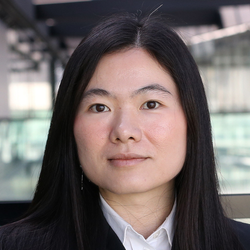
Kylie Chen, Senior Director – Technology and Data Solutions
Over 15 years of financial services experience in London, Australia and Asia Pacific with expert knowledge in general insurance pricing, data analytics and risk management. Before joining WTW, Kylie worked for IAG and Suncorp in Australia cross both personal and commercial line pricing teams. She also worked for Deloitte and Ernst & Young in London in their advanced analytics and actuarial teams. Kylie is experienced in managing and delivering large complex insurance and technology transformation projects in Australis and other Asia pacific regions. She is passionate in using data analytics and latest technology to help businesses to make better decisions.
Jessica Plewes, Senior Director – Health Leader, Insurance Consulting and Technology
Jess joined WTW in October 2024 as a Health Lead, bringing close to 12 years of extensive experience in the health industry across multiple markets (EMEA and APAC) working with both private insurers and public sector health agencies. She brings expertise across actuarial, product, proposition, claims, strategy, transactions and regulatory change, gained through senior roles with leading health insurers and global consulting firms. Jess joined WTW from Bupa APAC’s innovation team, where she led the design of customer centric growth initiatives using agile and design thinking approaches, to develop viable and feasible propositions designed to attract and engage priority customer segments.
Chair: Ankit Nanda
Ankit Nanda is Manager of Actuarial Advisory Services at a large U.S.-based health insurance carrier and resides in Gurugram, India, where he leads a team of analysts and consultants supporting U.S. healthcare clients. With nearly 13 years of experience across reinsurance, employer stop loss, managed care, and consulting, he brings a distinctive cross-border perspective to actuarial practice. Ankit is a Fellow of the Society of Actuaries, a Member of the American Academy of Actuaries, and a Member of the Conference of Consulting Actuaries. He serves on several professional committees, including the American Academy of Actuaries Health Care Delivery Committee, the Society of Actuaries India Committee, and the Institute and Faculty of Actuaries Mental Health Working Party. His research spans both U.S. and Asian healthcare markets, with recent work focused on emerging risks in health insurance—such as GLP-1 coverage frameworks and value-based care models—topics increasingly relevant to the evolving global insurance landscape. He holds an M.S. in Mathematical Finance from Boston University.
In this paper, we will provide an update on the state of the MI market in Australia and overseas. We will highlight key risk and market trends, drawing on publicly available data and resources as well as the authors’ professional experience with MI. The intention is to provide a comprehensive review of the last decade or so in the market and how it continues to evolve alongside medical and legal sector trends. We will identify the key issues and opportunities likely to shape the MI market over the years ahead.
Actuaries working with MI will directly benefit from a concise summary of the MI sector, which is generally not publicly available or regularly updated given the specialised nature of MI. General insurance actuaries more broadly will be exposed to a class of insurance which most do not deal with on a regular basis, which will hopefully spark greater interest and further expertise by the actuarial profession.
The healthcare sector was under the spotlight during the recent global pandemic and healthcare crisis, and given the important role MI plays in the sector, this presentation will also be of significant interest to actuaries outside general and health insurance. As the nature of medicine and the legal environment continues to rapidly evolve, MI provides a solid area where actuaries can help society navigate risk and continue delivering in the public interest.
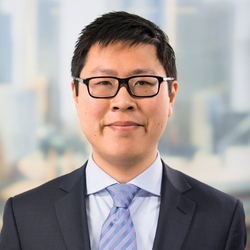
David Chan
David is a fully qualified actuary (FIAA since 2017) and experienced leader with extensive actuarial and analytics experience working with general insurers, injury schemes and health insurers throughout Australia, New Zealand and Singapore. He recently finished leading the actuarial function for the Victorian State Government's insurer and risk adviser, VMIA. Prior to that, he was a senior consulting actuary and client manager across both Deloitte and PwC's actuarial and analytics consulting practices. David originally trained as an economist and statistician, and he has a keen interest in the value actuaries can bring to the financial services industry. .
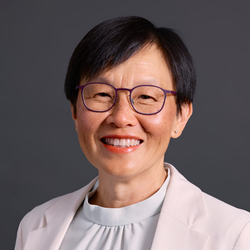
Win-Li Toh, Taylor Fry
Win-Li is a Principal and Actuary at Taylor Fry, and the 2025 President of the Actuaries Institute. She is the Appointed Actuary to several Australian and New Zealand insurers and reinsurer, and advises self-insurers as well as publicly underwritten schemes. Win-Li’s medical indemnity experience spans 20+ years, advising the provisional liquidator in the successful recapitalisation and set-up of the actuarial function for Avant in the early 2000s, and subsequent expert advice to medical indemnity providers in both the private and public sectors, in areas such as merger negotiations, capital management, reserving and pricing. Win-Li wrote the paper “Medical Indemnity- Who’s Got the Perfect Cure?” that explored medical indemnity in major international jurisdictions and the transferability of innovations to Australia.
Scott Duncan, Taylor Fry
Scott is a Principal at Taylor Fry and is a member of the General Insurance Practice Committee. He holds several appointed actuary roles across Australia and New Zealand. Scott has a keen interest in how technology is shaping medical practice and the flow on impact on medical indemnity insurers. He has worked with a range of public and private sector medical indemnity providers across pricing, reserving and capital management.
Chair: Andrew Zheng
Additionally, a core part of the actuarial control cycle is the monitoring and assessment of the models against experience. However, in practice, this is focussed on the central estimate, with less emphasis placed on the distribution. “Actual vs Expected” analysis will assess the percentage variation against the central estimate, with a layer of actuarial judgement applied to justify the materiality of any differences (e.g. based on portfolio maturity, size of book, known events). This is likely sufficient in many cases but in cases where the modelling decisions/results are less clear cut, we wanted to explore the ability to leverage the distributional thinking already performed at past valuations to provide a better data-driven assessment to support judgement.
It turns out that this isn't as simple as just applying the overall risk margin to the central estimate and backing out some quantiles. This is because:
• The central estimate models are almost always different from the risk margin models
• Risk margins include consideration of systemic risk which may not be in the historical data
• Adjustments to central estimate models (e.g. blending or accounting for data quality/scarcity) means analytical expressions can be hard to drive
• Allocation is not straightforward - how do you allocate a risk margin for your entire bottom right triangle to just the new diagonal that you see in the next period?
In this paper, we describe an approach to calculate a distribution for each cell in the bottom right triangle (or the combination of cells you are interested in). Most importantly, the additional time and effort required to do this analysis is minimal; much of it would already be part of your standard valuation pipeline.
Having access to these distributions opens up a number of areas where "distributional hindsight analysis" can be useful to help support actuarial decision making by adding a bit of statistical rigour (because you can't do statistical tests on X% above the mean). Examples of such decisions include:
• When we should change our roll-forward modelling assumptions?
• When should we revise our risk margins?
• How outlying was our new event / post-balance date adjustment?
• Should I analyse my new portfolio separately or should I just combine it with my current book?
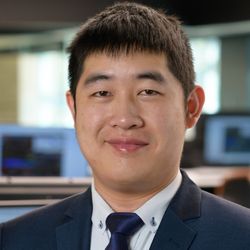
Alan Xian, Taylor Fry
Alan is a manager at Taylor Fry Consulting and has worked across many areas including government and corporate analytics, general insurance and injury schemes. He is also an Adjunct Lecturer in the School of Risk and Actuarial Studies at UNSW, lecturing in actuarial courses while conducting research in the areas of data analytics, general insurance and teaching analytics. Alan has a keen interest in contributing to climate discussions and currently serves as the Secretary of the Actuaries Institute Climate and Sustainability Practice Committee.
Calise Liu, Finity
Calise is an actuary with ten years of experience at Finity Consulting. She works in a range of general insurance areas including climate risk, long-tail reserving, pricing and data analytics. She is a co-author of the three Actuaries Institute reports on Home Insurance Affordability in Australia. Calise was awarded ANZIIF’s Young Insurance Professional of the Year in 2023.
Andrew Song, Taylor Fry
Andrew is an experienced actuary with over 10 years’ experience advising insurers, reinsurers, self-insurers and government, with expertise spanning reserving, reinsurance, capital and IFRS17. He is currently a member of the Redress and Reparations Working Group, a subset of GIPC.
Chair: Colin Priest
Colin Priest is an actuary/data scientist/marketer/communicator/educator who has held several CEO and general management roles, where he has championed data-driven initiatives in financial services, healthcare, security, oil and gas, government, and marketing. With a passion for how humans and AIs can work together, Colin has contributed to Singapore Government projects on AI ethics, AI governance, and the future of work. Colin strongly supports the science of healthcare and does pro bono work for cancer research. Despite having more than 20 years of experience educating actuaries, Colin is still learning about learning.
The federated governance model empowers business units to act as data product owners and stewards, while a central data team provides reusable assets, quality standards, and semantic consistency. This approach enables scalable self-service reporting through enterprise-grade Power BI templates, governed semantic layers, and a shared understanding of metrics. By embedding roles such as data custodians and stewards, and aligning them with business accountability, the organisation fosters a culture of trust, transparency, and shared responsibility.
We also demonstrate how medallion architecture — with bronze (raw), silver (cleansed), and gold (business-ready) layers — supports modular, auditable, and performant data pipelines. Combined with data mesh principles, this architecture decentralises data ownership while maintaining interoperability and governance, enabling rapid delivery of insights without compromising quality or compliance.
This paper offers a blueprint for actuaries, data leaders, and regulators seeking to build resilient, scalable, and future-ready data ecosystems. It highlights how governance, architecture, and culture must evolve together to support advanced analytics, AI readiness, and strategic foresight in complex organisations.
Rohan John, LeavePlus
Rohan John is a strategic data and analytics leader with a rare ability to bridge actuarial science, artificial intelligence, and enterprise architecture. With experience across insurance, disability, government, and regulatory sectors, Rohan has led high-impact transformations that align data capability with corporate strategy and long-term organisational goals. Currently leading the Data and Analytics function at LeavePlus, Rohan has architected and delivered a modern, cloud-native data ecosystem using Microsoft Fabric and medallion-layered design. His work has enabled scalable self-service reporting, certified datasets, and semantic modelling, while embedding federated data governance that empowers business units to take ownership of their data. This approach has uplifted enterprise data maturity and positioned the organisation for AI readiness and decision intelligence. Rohan’s technical expertise spans predictive modelling, natural language processing, segmentation, and traditional actuarial methods such as reserving and financial forecasting. He has built AI-powered tools to support customer service, operational efficiency, and strategic planning, and is known for translating complex analytics into clear, actionable insights for executives and boards. Beyond delivery, Rohan is a passionate advocate for ethical analytics, data literacy, and capability uplift. He builds high-performing teams, drives cross-functional collaboration, and designs data ecosystems that are secure, scalable, and strategically aligned. His career reflects a commitment to solving real-world problems through data — with a focus on impact, integrity, and innovation.

Chair: Dylan Neenan, Finity
Dylan is an actuary specialising in the development of GenAI systems. With over ten years’ experience in product development and insurance analytics, he is at the forefront of the latest AI developments, helping insurers and underwriting agencies modernise their operations and embed AI across their organisations. Dylan co-leads Finity’s AI and Insurtech practices, with wealth of experience in machine learning, data analytics, and personal and commercial lines pricing. Dylan is always on the lookout for innovative opportunities to implement new technology to further his clients’ goals
Through compelling case studies, discover how actuarial expertise in reserving, capital allocation, risk management, and profitability enhancement is reshaping the insurance landscape. These stories highlight actuaries as catalysts and not inhibitors of change and growth.
We will discuss how actuaries leverage their skills in reserving, pricing, underwriting, operations, and performance monitoring to provide insights that fuel business growth and resilience. By integrating their knowledge with financial metrics and narrative building, actuaries empower organizations to navigate challenges and seize opportunities.
This talk will inspire actuaries to embrace their role as strategic partners in the non-life insurance domain, fostering innovation and resilience. Attendees will gain a renewed understanding of how actuaries are shaping the future of non-life insurance for sustainable success.
Join me to explore the transformative potential of actuarial science in non-life insurance and embark on a journey toward strategic excellence.

Ryan Boyd, Allianz
Ryan is a career associate actuary with the Institute of Actuaries in Australia. Originally from South Africa with over 14 years of working experience including consulting and managerial experience at Deloitte, being Head of Corporate Actuarial for the APAC region, the Head of Product & Underwriting for the Health Line of Business at Allianz Partners and now is the CFO for Allianz Partners Australia and New Zealand. Ryan is also a non-executive Director of the Board for Enterprise Partnerships Western Australia, EPWA. In addition, he is currently the executive sponsor of the Reconciliation Steering Committee at Allianz Partners Australia, he is a former TEDx speaker, United Nations Ambassador with a focus on entrepreneurship and education, Regional Manager of Corporate Social Responsibility at Deloitte South Africa and has over 18 years of presenting and facilitating experience across multiple topics and disciplines including diversity and cultural awareness. Finally, Ryan is happily married to his beautiful wife, heavily involved at his Church and enjoys supporting Australian rugby and cricket whenever possible and building large Lego sets.
Chair: David Whittle
David was President of the Actuaries Institute in 2024, and served on the Institute’s Council for six years. He has 35 years’ experience in the insurance industry spanning general and life insurance, multinational insurers and consulting firms plus roles in reserving, pricing, underwriting and general management and risk management. Until 2023 David was the Chief Risk Officer for CBA’s Wealth & Private business, and prior to that he was Chief Reserving Actuary for Zurich’s Asia-Pacific general insurance business across nine countries, as well having been a KPMG Partner and having held senior roles at Allianz Australia.
Laughlin recognised that Boards occupy a unique vantage point for ensuring fair customer treatment, and identified fairness as a "natural area of interest" for actuaries. But what are the obligations and rules of fairness which apply to general insurance actuaries? This paper examines what practitioners need to know about fairness and what they could, or should, be doing to achieve this objective in practice.
While Laughlin noted that Boards benefit from sitting "above the fray" with greater objectivity than management, this paper argues that general insurance actuaries are equally well positioned—if not better placed—to balance competing interests. Working in the front lines where pricing, underwriting, and claims decisions are made, general insurance actuaries can serve as vital arbiters of fairness, translating principle into practice where it matters most.

Brett Ward, Group Chief Actuary, IAG
Brett Ward is currently the Group Chief Actuary of IAG. Brett has spent his entire 30 plus working years as a general insurance actuary. From 1990 to 2000, Brett worked with actuarial consultancies including MIRA Consultants and KPMG Actuaries focusing on liability valuations, specialising in workers compensation. In 2000 he started his corporate career as the Chief Actuary at Royal & Sun Alliance, where he had responsibility for actuarial services in Australia and South-East Asian countries. Brett was the Chief General Insurance Actuary for Promina before joining IAG in 2007. At IAG, Brett has held a variety of roles across pricing, risk and technology and Group strategy.
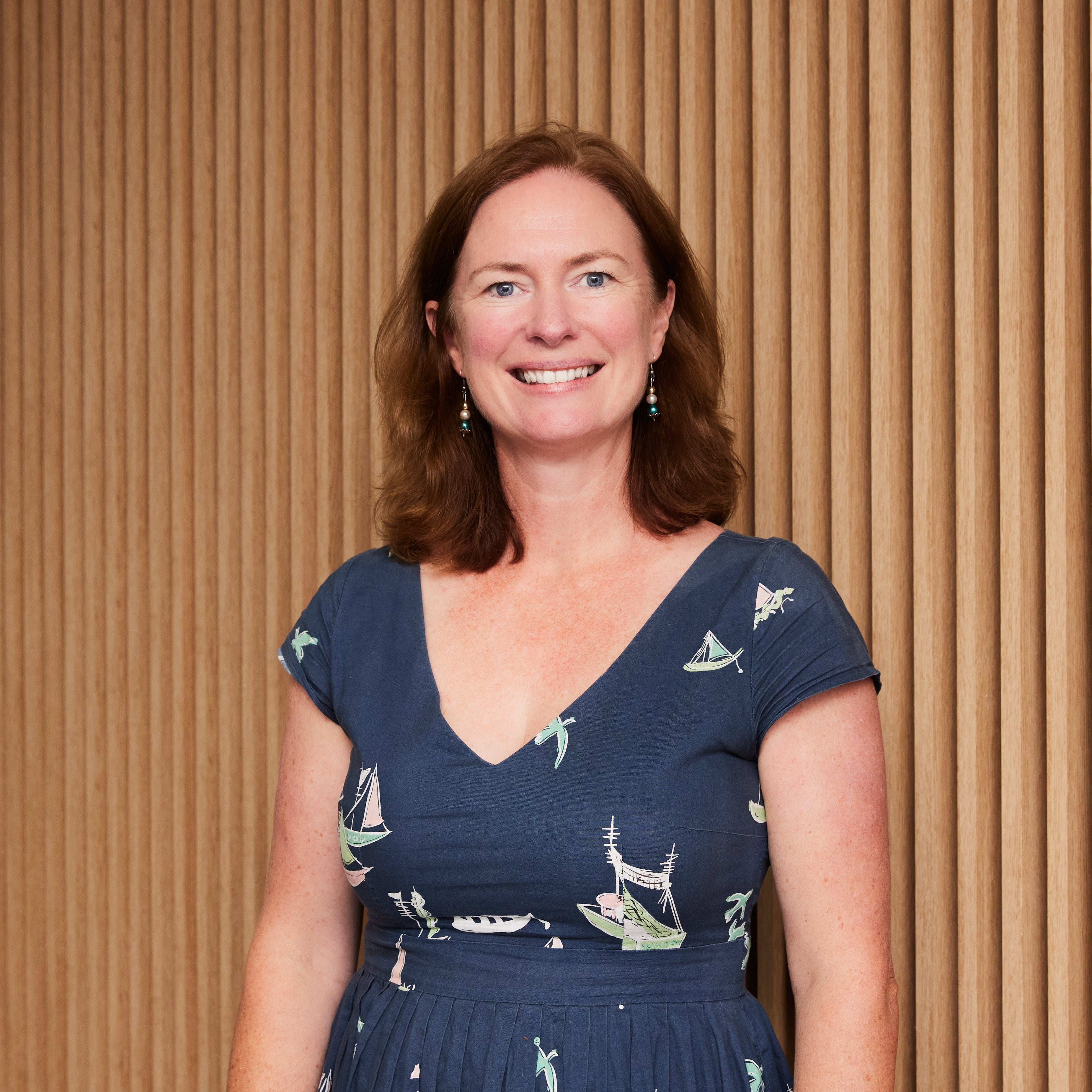
Jacqui Reid, Actuarial Educator, General Insurance
Jacqui has extensive actuarial consulting experience across the UK, Ireland, Sweden, Finland, Bermuda and Switzerland. Her Australian experience includes leading a small actuarial team based in Sydney and Melbourne advising corporates, scheme Actuary for NT WorkSafe, developing a pricing model for a private health insurer and developing an operational risk measurement model for a major Australian bank. Jacqueline has also held the roles of past convenor of Actuaries Institute General Insurance Risk Appetite working party, past member of GIPC and past member of RMPC. In 2021 she joined the Institute’s education team to develop and deliver the General Insurance Applications subject.

Chair: Adam Edwards, FIS
Adam is a Senior Sales Executive at FIS with more than 25 years’ experience working across the Life and General Insurance sectors, supporting actuarial, finance, and risk teams through periods of regulatory change and technology transformation. Adam works closely with Insurance risk leaders across Australia and New Zealand, bringing a strong understanding of the actuarial role within the insurance value chain—spanning valuation, capital, pricing, risk management, and financial reporting. His work focuses on helping actuarial teams modernise core actuarial ecosystems, strengthen governance and controls, and operate efficiently within increasingly complex regulatory and stakeholder expectations.
Understanding the why, or the cause and effect is challenging, there are techniques and methods to illuminate the hidden causal relationship, randomized controlled trial (RCT) is often considered as the gold standard for uncovering causality, as it directly addresses the problem of endogeneity by ensuring treatment assignment is exogenous, while other causal methods such as differences-in-differences, regression discontinuity, or instrumental variables arguably suffer from the endogeneity problem to various degrees.
RCT, as a method of field experiment, generates meaningful data, sharper insights and business guidance beyond observational data can provide, it adds to actuaries toolkit and redefines our understandings of why things happen. This presentation will cover common causal inference methods, endogeneity problem, motivations and pitfalls of RCT and a case study of field experiment, which hopefully will inspire more actuaries to explore and embrace the spirit of experimentation.

Laura Zhao, Zurich Cover-More
Laura is a qualified actuary, a Senior Underwriter at Zurich Cover-More, and a part of the Executive Leadership Team within Freely, where she leads advanced pricing strategies and analytics solutions to drive measurable business outcomes. She also has a keen research interest and is an award recipient of the National Industry PhD program.
Fei Huang, UNSW
Dr. Fei Huang is an Associate Professor in the School of Risk and Actuarial Studies at UNSW Business School. She is also a columnist for Actuaries Digital, writing Responsible Data Science series. Her research focuses on responsible AI and data-driven decision-making, with applications in fair insurance pricing, interpretable machine learning, mortality modelling, and customer relationship management. Her research has been published in leading actuarial journals and has received many prestigious recognitions, including the North American Actuarial Journal Best Paper Award, ASTIN Colloquium Best Paper Award, the Australian Business Deans Council (ABDC) Award for Innovation and Excellence in Research, and fundings from the Australian Research Council (ARC), Society of Actuaries, and Casualty Actuarial Society.
Chair: Colin Priest
Colin Priest is an actuary/data scientist/marketer/communicator/educator who has held several CEO and general management roles, where he has championed data-driven initiatives in financial services, healthcare, security, oil and gas, government, and marketing. With a passion for how humans and AIs can work together, Colin has contributed to Singapore Government projects on AI ethics, AI governance, and the future of work. Colin strongly supports the science of healthcare and does pro bono work for cancer research. Despite having more than 20 years of experience educating actuaries, Colin is still learning about learning.
This presentation poses practical questions to be answered in pricing and underwriting EVs, considerations to be taken in this fast-changing dynamic market.
We look at how the market has evolved and consider technological development has led to new business models, changing cost structures and repair realities. We assess different production and underwriting differentials by origin, regulation, supply chains, labour and environmental practices.
Tim Clark, Allianz
Chair: Lachlan Clark
Lachlan Clark is an actuary with experience spanning a wide range of positions across Australia in both insurance and data analytics. His current role focuses primarily on General Insurance and data analytics projects, where he applies actuarial approaches in both traditional and emerging areas. Lachlan has worked across a wide range of areas including climate risk, banking, workforce and supply chain modelling as well as in reserving and pricing roles for a variety of general insurers both domestic and internationally including supporting audit and appointed actuary roles. He brings a practical, data-driven approach to addressing emerging risks and challenges in the industry.
Diffusion models are a common deep learning approach, particularly in image generation. Starting with random variation, a trained model will successively ‘de-noise’ a dataset until it resembles something coherent. In many cases they outperform other model structures, including in a small number of research papers testing applicability to tabular data. Our paper will apply diffusion models to key actuarial problems. The work will build on our 2025 summit paper on deep learning models – we test an entirely new way to set up and train the deep learning model (a diffusion framework), while also significantly broadening the range of applications of our work. In addition to microsimulation and time series problems previously explored, we will test diffusion models’ applicability to reserving contexts. The paper will cover simulated and real-life data examples.
The models represent an important contribution, with the potential to massively simplify the training of complex systems. To the author’s knowledge, this is the first time such diffusion models have been applied in an actuarial context.
Hugh Miller, Taylor Fry
Hugh Miller is a principal at Taylor Fry. For the past 10 years he has been applying actuarial techniques to social sector problems spanning welfare, employment, housing, disability and health. He has led major pieces of work for the Disability Royal Commission and the NDIS Review and was 2021 Actuary of the Year.
Callum Sleigh, Taylor Fry
Callum Sleigh is a manager at Taylor Fry who specialises in data science applications in public policy. Callum graduated with a PhD in Mathematics from the University of Melbourne and has worked in a range of positions in academia and government.
Justin Sik Kwok Wong, Taylor Fry
Justin Sik-Kwok-Wong is a manager at Taylor Fry and has over 5 years of experience advising government clients, regulators and self-insurers. Justin graduated from UNSW with a Bachelor of Actuarial Studies and became a Fellow of the Institute of Actuaries in 2021.
Chair: Justin McGee Odger
This session introduces the Actuarial Risk Architecture for Comprehensive Health (ARCH), a diagnostic framework that separates value-based care maturity from fiscal sustainability. Using Australia, the United States, and India as comparative case studies, it shows why advanced payment models do not automatically produce sustainable systems: the United States has the most mature value-based care architecture yet the weakest Horizon score; Australia has strong coverage foundations but faces a prevention and workforce-driven Horizon constraint; India has demographic and digital runway, but Adequacy and Resilience remain binding constraints.
The session then stress-tests the framework through two live actuarial questions: GLP-1 financing and prevention economics. A Behavioural Adjustment Factor quantifies how clinical efficacy erodes through leakage in reach, engagement, translation, and durability before becoming realised population impact, and an Australian application explores linking prevention investment to private health insurance risk equalisation, subject to counterfactual measurement, governance, and legislative constraints. The core argument is practical: actuaries should not merely measure health-system performance after the fact; they should help design the financing architecture that determines whether value-based care, prevention, and long-horizon health investment can be sustained.
Ankit Nanda
Ankit Nanda is Manager of Actuarial Advisory Services at a large U.S.-based health insurance carrier and resides in Gurugram, India, where he leads a team of analysts and consultants supporting U.S. healthcare clients. With nearly 13 years of experience across reinsurance, employer stop loss, managed care, and consulting, he brings a distinctive cross-border perspective to actuarial practice. Ankit is a Fellow of the Society of Actuaries, a Member of the American Academy of Actuaries, and a Member of the Conference of Consulting Actuaries. He serves on several professional committees, including the American Academy of Actuaries Health Care Delivery Committee, the Society of Actuaries India Committee, and the Institute and Faculty of Actuaries Mental Health Working Party. His research spans both U.S. and Asian healthcare markets, with recent work focused on emerging risks in health insurance—such as GLP-1 coverage frameworks and value-based care models—topics increasingly relevant to the evolving global insurance landscape. He holds an M.S. in Mathematical Finance from Boston University.
Chair: Adam Stolz, Medibank
Niki Appleton
Niki is a qualified actuary with over 20 years of consulting and advisory experience. She combines her strong technical analytic skills with stakeholder engagement expertise and commercial acumen to understand issues clients face and then work with them to develop value adding solutions. Niki has worked within schemes and for client across several industry sectors including general insurance and injury schemes to community clubs and government social policy. She is currently a member of the Injury and Disability working group, a subset of GIPC.
Andrew Song, Taylor Fry
Andrew is an experienced actuary with over 10 years’ experience advising insurers, reinsurers, self-insurers and government, with expertise spanning reserving, reinsurance, capital and IFRS17. He is currently a member of the Redress and Reparations Working Group, a subset of GIPC.
Chair: Rosi Winn, IAG
Alix Pearce, General Manager, Climate, Social Policy and International Engagement, Insurance Council of Australia
Alix is the General Manager, Climate, Social Policy and International Engagement at the Insurance Council of Australia, drawing on the industry’s critical role in the economy to drive down climate risk and better protect communities. Alix’s leadership has been recognised with numerous awards, including a prestigious Churchill Fellowship to travel around the globe in 2025, exploring how to tackle the insurance protection gap being widened by worsening disasters. She has a history of building unique alliances to drive change, her career has seen her work with global security leaders, first-responders, front-line communities, consumer groups, major companies and all tiers of government. As the Head of Campaigns for the Climate Council, Alix led the organisation's advocacy and government relations team, focused on driving down emissions this decade. As the Director of Policy and Campaigns for the Consumer Action Law Centre, she led a team of policy professionals, and campaigners in the wake of the Banking Royal Commission. She also worked as the Founder and Director of the Cities Power Partnership, the biggest climate and energy program for cities in the country. She is also a published author, working with Australia’s premier climate experts, economists and policy analysts on landmark reports that have shifted the national conversation.
Rade Musulin, Principal, Finity Consulting
Rade Musulin is a Principal at Finity Consulting in Sydney, specialising in extreme events and climate risk. He previously held senior roles at FBAlliance Insurance, Aon Benfield Analytics, and Florida Farm Bureau Insurance Companies. Rade chairs the International Actuarial Association's Climate and Sustainability Committee and serves on the Actuaries Institute's Climate and Sustainability Practice Committee. He was named co-winner of the Actuaries Institute's Actuary of the Year (2023) and received the American Academy of Actuaries' Jarvis Farley Service Award (2025). His main areas of interest include how changing population demographics affect catastrophe exposure, climate change adaptation, applications of catastrophe models for disaster planning in developing countries, building code development, and community resilience.
Ben Harris
Ben Harris is Director Policy and Research, Private Healthcare Australia and a Board Member at the Australian Self Care Alliance. An economist by training, Ben has worked for many years in health and social policy roles for government and the not for profit sector. He is also the author of a number of policy papers, including Is Medicare Fair? and Australia’s Mental and Physical Health Tracker.
Corey Baker, Managing Director
Corey brings 20 years of global expertise in digital, data, and AI transformation within insurance and member services organisations. He has worked with both nimble insurtechs and global giants like Berkshire Hathaway, Progressive, and Travelers, delivering new data-driven product and customer propositions alongside explainable AI in operations. Corey now supports Australian insurers to bridge the gap between board-level ambition and high-performing technology and operations teams through delivery-led strategy, ensuring that high-level strategic goals are grounded in practical, de-risked execution.
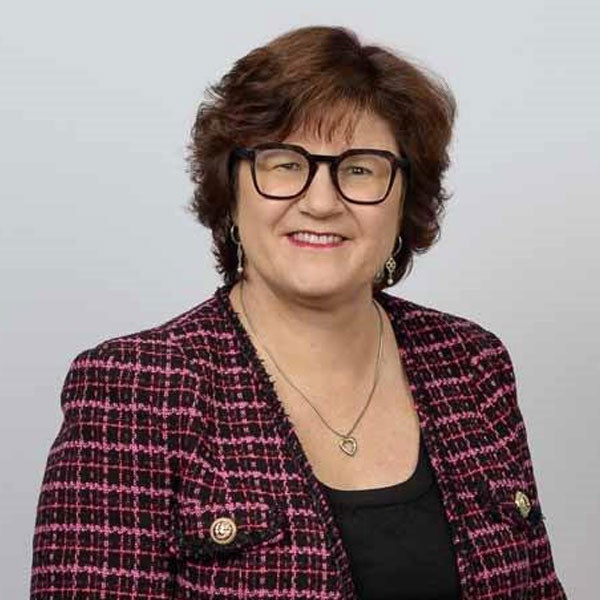
Chair: Christa Marjoribanks, CFO, Intermediated Insurance Australia Division at IAG
Christa is CFO of the Intermediated Insurance Australia Division at IAG, overseeing pricing, strategy, regulatory and risk governance, finance, and actuarial reserving. A key leadership team member since 2020, she has driven improved financial performance through enhanced pricing sophistication and data-led insights. Previously a senior partner at a major consulting firm, Christa brings over 30 years' experience in general insurance and injury compensation, including roles as Appointed Actuary and advisor to insurers, reinsurers, and government. Career highlights include leading the Australian Priority Investment Approach to Welfare project and guiding financial services clients through post-Royal Commission regulatory challenges. She is passionate about fostering collaboration across sectors to address economic and social issues.

The Hon Dr Daniel Mulino MP, Assistant Treasurer, Minister for Financial Services
Born in Brindisi, Italy, Daniel was a young child when he moved with his family to Australia. He grew up in Canberra and completed his first degrees – arts and law – at the ANU. He then completed a Master of Economics (University of Sydney) and a PhD in economics from Yale. He lectured at Monash University, was an economic adviser in the Gillard government and was a Victorian MP from 2014 to 2018. As Parliamentary Secretary to the Treasurer of Victoria, Daniel helped deliver major infrastructure projects and developed innovative financing structures for community projects. In 2018 he was preselected for the new federal seat of Fraser and became its first MP at the 2019 election, re-elected in 2022 and 2025. From 2022 to 2025, Daniel was chair of the House of Representatives’ Standing Economics Committee in which he chaired inquiries; economic dynamism, competition and business formation and insurers’ responses to 2022 major floods claims. In 2025, he became the Assistant Treasurer and Minister for Financial Services. In August 2022, Daniel published ‘Safety Net: The Future of Welfare in Australia’, which aims to explore the ways in which an insurance approach can improve the effectiveness of government service delivery.
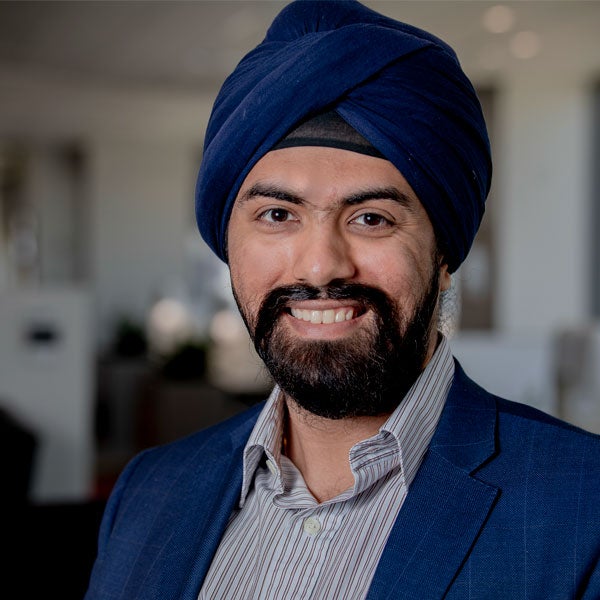
Karan Anand, Chief Strategy Officer and Managing Director, Hnry
Karan Anand is the Global Chief Strategy Officer and Managing Director, Australia at Hnry, with nearly 20 years of experience in strategy, technology and scaling high-growth businesses. As part of Hnry’s three person executive team, he helps shape global strategy and has led the company’s expansion in Australia. Previously a Director at Monitor Deloitte, he advised boards and CEOs across financial services and technology. Karan has been recognised through awards including Commbank’s Young Hero Innovator of the Year and Asialink’s Asian Australian 40 Under 40. He holds a Master of Finance from UNSW and a Bachelor of Commerce in Actuarial Studies and Finance.

Chair: Annette King, Non-Executive Director
Annette King is an experienced company director, former CEO and actuary, with over 35 years’ experience in financial services across Asia-Pacific. Prior to becoming a non-executive director, Ms King had a successful track record as a CEO, CFO and CMO of significant financial institutions, as well as being a founder/entrepreneur. Ms King has served large multi-national companies (Swiss Re, AXA, Manulife, Mercer, MLC Super) and fintech companies (AFG, FNZ, Galileo Platforms). Ms King is the Chair of HCF, and serves as a Non-Executive Director on the boards of TAL, AFG and U Ethical Investors.
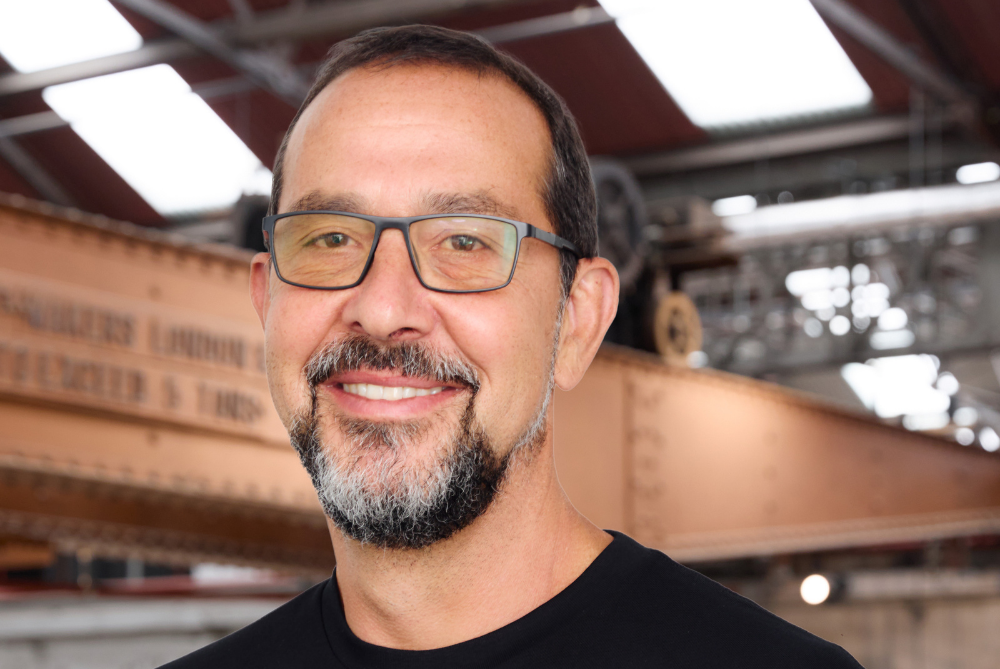
Greg Schnieder, Quantium
Greg co-founded Quantium in 2002 and led the teams responsible for many of Quantium’s innovative solutions. With an eye on the next frontier, Greg focusses on bringing new strategies and capabilities to Quantium and its clients. Greg started his career over 25 years ago in the UK, working in the Lloyd’s of London insurance market. After moving to Australia, he led the technical division within GIO. Before co-founding Quantium, Greg started the customer analytics practice area at Deloitte Touche Tohmatsu.
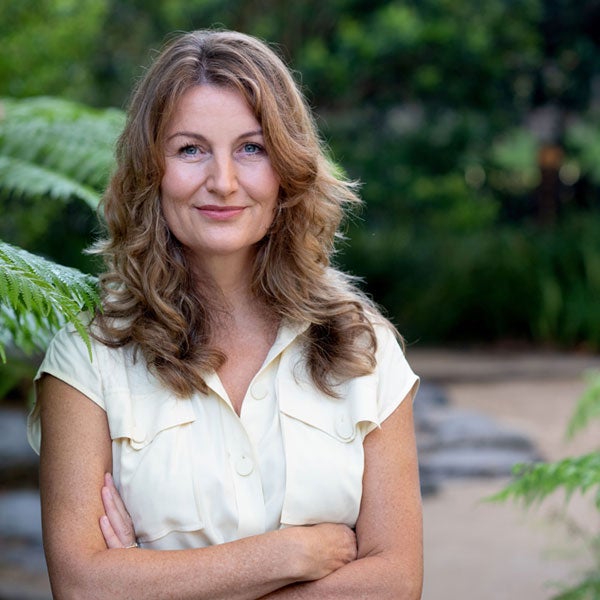
Nicolette Rubinsztein AM, Non-Executive Director, Actuary, Author
Nicolette is a non-executive director in the finance industry. She is Chair of CBHS Heath Fund, on the board of Zurich and was previously on the boards of UniSuper, Class and SuperEd. She is also Chair of Greenpeace Australia Pacific and a South African charity committee, Missionvale Australia. In 2024 she was made a Member of the Order of Australia (AM) for her service to business. She was President of the Actuaries Institute in 2019 and was a director of ASFA for eight years. Prior to her board career, Nicolette held senior roles with CBA/ Colonial First State, BT and Towers Perrin. Nicolette is a qualified actuary, holds an executive MBA from the AGSM and is a Fellow of AICD. She is author of the book “Not Guilty”, a guide for career mums. She is married to Jonathan Rubinsztein and they have three daughters.
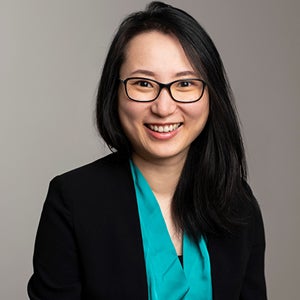
Jess Chen, CFO, AustralianSuper
Jess is an actuary with over 20 years of financial services experience. She is currently the CFO of AustralianSuper, Australia’s largest superannuation fund. Prior to that, she has held various senior financial management and actuarial roles across the banking and insurance sectors, including at Westpac, QBE and TAL. Jess has a keen interest the advancement of genetics and its societal impacts and is passionate about fostering emerging talent and supporting their professional journeys.
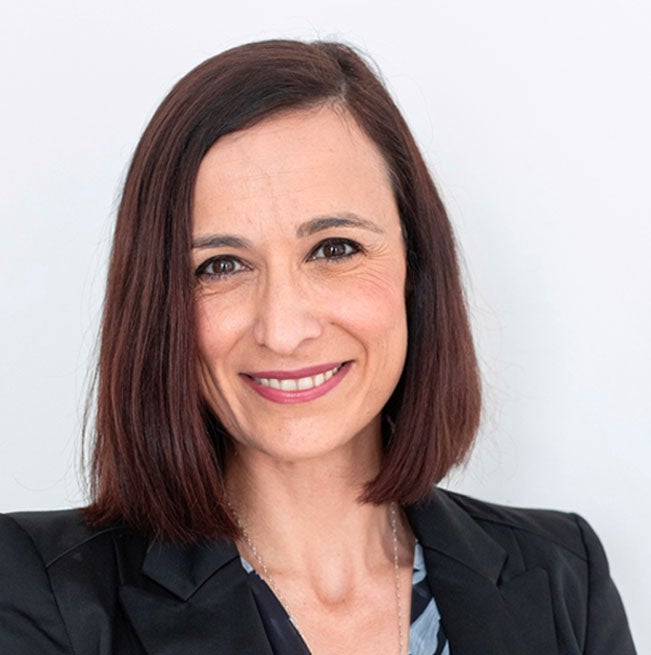
Chair: Simone Leas, General Manager, Advice & Approvals, Australian Prudential Regulation Authority
Simone Leas is a Fellow of the Actuaries Institute and a Graduate of the Australian Institute of Company Directors. As General Manager, Advice & Approvals at the Australian Prudential Regulation Authority, Simone draws on more than 25 years of global experience in risk management, compliance, and capital management. She is passionate about realising the value and competitive edge that come from better decision making in organisations and has authored a book on this topic.
Ean Chan, EY
Ean is a Senior Manager within EY's Actuarial Services team, with experience in Life Insurance, Data Analytics and AI, primarily concentrating on Health and Human Services clients. As chair of the Institute's Young Data Analytics Working Group and member of the Data Science and AI Practice Committee, Ean is dedicated to driving progress in the actuarial field by augmenting our expertise with the latest data science, AI and machine learning methodologies.
Meg Yang, Finity
Meg Yang is a Fellow of the Actuaries Institute and volunteers as the Deputy Chair of the Young Data Analytics Working Group and member of the Data Science and AI Practice Committee. In her role as a consultant at Finity Consulting, she is passionate about harnessing cutting‐edge AI tools to deliver innovative, practical solutions that tackle everyday challenges in the general insurance space.

Yige Wang
Yige is an actuarial professional (FIAA, CERA) with broad experience spanning actuarial practice, analytics, and strategic planning. As an Actuarial Manager at Zurich Australia, she applies data-driven insights to guide business decisions and improve customer outcomes, including predictive modelling and financial analysis to support executive strategy. Most recently, Yige completed a secondment with Zurich Japan’s General Insurance team, further expanding her international perspective and deepening her appreciation for cross-market collaboration.
Lachlan Clark
Lachlan Clark is an actuary with experience spanning a wide range of positions across Australia in both insurance and data analytics. His current role focuses primarily on General Insurance and data analytics projects, where he applies actuarial approaches in both traditional and emerging areas. Lachlan has worked across a wide range of areas including climate risk, banking, workforce and supply chain modelling as well as in reserving and pricing roles for a variety of general insurers both domestic and internationally including supporting audit and appointed actuary roles. He brings a practical, data-driven approach to addressing emerging risks and challenges in the industry.
Rohan John, LeavePlus
Rohan John is a strategic data and analytics leader with a rare ability to bridge actuarial science, artificial intelligence, and enterprise architecture. With experience across insurance, disability, government, and regulatory sectors, Rohan has led high-impact transformations that align data capability with corporate strategy and long-term organisational goals. Currently leading the Data and Analytics function at LeavePlus, Rohan has architected and delivered a modern, cloud-native data ecosystem using Microsoft Fabric and medallion-layered design. His work has enabled scalable self-service reporting, certified datasets, and semantic modelling, while embedding federated data governance that empowers business units to take ownership of their data. This approach has uplifted enterprise data maturity and positioned the organisation for AI readiness and decision intelligence. Rohan’s technical expertise spans predictive modelling, natural language processing, segmentation, and traditional actuarial methods such as reserving and financial forecasting. He has built AI-powered tools to support customer service, operational efficiency, and strategic planning, and is known for translating complex analytics into clear, actionable insights for executives and boards. Beyond delivery, Rohan is a passionate advocate for ethical analytics, data literacy, and capability uplift. He builds high-performing teams, drives cross-functional collaboration, and designs data ecosystems that are secure, scalable, and strategically aligned. His career reflects a commitment to solving real-world problems through data — with a focus on impact, integrity, and innovation.

Chair: Iain Bulcraig
Iain Bulcraig is Chief Risk Officer at SCOR who loves spending time teaching ethics, mentoring other actuaries and sharing stories of how we can learn from past mistakes.
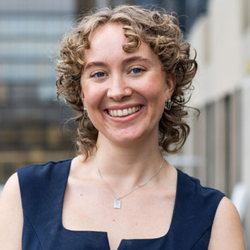
Portia Elliott
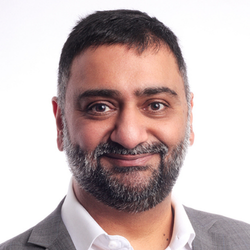
Sharanjit Paddam, Finity
Olivia Brodhurst, Finity
Olivia Brodhurst is a climate consultant with over 20 years of experience in environmental science and climate risk management. She has led initiatives to assess and mitigate climate-related risks, focusing on understanding potential impacts under the range of climate scenarios and utilising this information to enhance resilience. Olivia has experience working at multiple levels of Government, non-government and in the private sector. Olivia is recognised for her ability to engage and educate to influence change, integrate climate risk considerations into strategic decision-making processes, leading towards more holistic and resilient solutions.
Kate Cotter, Resilient Building Council
Kate Cotter is the founder and CEO of the Bushfire Building Council of Australia, which she established in 2014 to adapt the 2 million Australian homes most vulnerable to extreme weather. Kate's vision is to break the preventable, unsustainable disaster-recovery cycle through programs that accelerate effective adaptation of the built environment.
Chair: Shweta Krishna, EY
Shweta Krishna is a Director in Actuarial Services at EY, with more than 15 years’ experience advising on risk, capital, and strategy. <br><br>She has deep insurance sector expertise and broad coverage of key industry issues typically arising in Australian life insurance business. She works closely with clients to understand their challenges and commercial needs, translate complex modelling into clear, pragmatic solutions that drive confident decision-making. <br><br> She is an active member of the Climate & Sustainability Practice Committee (CSPC) and leads the Actuaries Institute Accounting Standards & Reporting Initiatives Sub-committee of the CSPC. She has led the response on a number of Climate-related submissions for the Actuaries Institute (including ISAP 8 and IAN 200) and involved in developing Industry guidance on climate related Stress & Scenario testing for Australian entities.
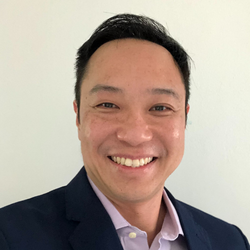
Kenneth Koh, WTW
Kenneth is the regional technology sales leader, Asia Pacific with WTW’s Insurance Consulting and Technology practice, based in Singapore. He is a strong advocator of customer experience and believes strongly in collaboration with client to advance the organization. With more than 25 years of experience in the insurance industry, Kenneth has built, grown and structured insurers to deliver exceptional growth, efficiency using data and analytics. In WTW, his primary role is to provide alternative choices to actuaries on the availability of actuarial software in the market place. He is a fellow, Life Management Institute (FLMI) and has a Masters of Science (MSc) from Nanyang Business School.
Chair: Martin Mulcare
Vivian Yu, Acenda
Vivian Yu is an experienced actuary with over a decade of professional expertise spanning areas ranging from technical and operational roles in Valuation and Wealth Management through to product development in both the investment and life insurance sectors. She is passionate about creating better financial protections for all Australians who are in retirement or approaching retirement. Her latest adventure is working as senior manger in the pricing team of Acenda. Her role sees her carrying out research, development and implementation of innovative ideas to make life insurance, one of the oldest financial products, more relevant in the contemporary context and in meeting the ever changing needs of Australian customers.
Amy McDonald
Amy is Fellow of the Institute of Actuaries, with extensive experience across superannuation, group and retail insurance pricing and valuation, capital and risk management. She currently works at TAL, heading up the pricing and portfolio management team. <br><br> As well as her corporate experience, Amy has both lectured and tutored at the University of NSW across Actuarial Studies and Risk Management, as well as holding a board position of a NFP organisation.
Chair: Steve Somogyi
Jason Gordon, Deloitte
Jason is an actuary with over 20 years of experience, primarily in the life insurance sector across traditional valuation and pricing roles as well as risk management. He is currently a Director in Deloitte's Assurance.
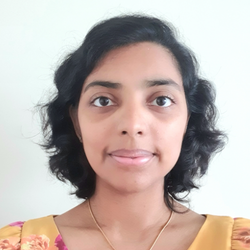
Sachini Wijesena, Allianz
Sachini is a qualified Fellow of the Institute of Actuaries Australia (FIAA) and a Chartered Enterprise Risk Actuary (CERA). She has 10 years of experience in the General Insurance industry. She is passionate about the industry’s dynamic challenges and opportunities, including managing climate change, regulatory change and the potential of big data. Currently she works for one of largest general insurers in Australia, Allianz. In her current role she uses actuarial techniques and analytics to develop predictive models in the areas of claims costs, conversion rates and customer demand to unlock key pricing insights from data. She holds a double degree in Actuarial Studies and Applied Finance at Macquarie University. Currently she is a PhD student at the University of Technology Sydney. Her main research areas lie within developing an actuarial framework for design and pricing of Weather Index Insurance (WII) products to improve the viability of WII product as an effective and innovative risk management tool. This will enable farmers to have effective income protection against extreme weather events, empowering investment in technology and ultimately improving productivity for the agricultural industry.
Biswajeet Pradhan
Distinguished Professor Biswajeet Pradhan is an internationally established scientist in the field of Geospatial Information Systems (GIS), remote sensing and image processing, complex modeling/geo-computing, machine learning, and soft-computing applications, natural hazards and environmental modeling, and remote sensing of Earth observation. He is also a distinguished professor at the University of Technology, Sydney. He is listed as the world’s most highly cited researcher by Clarivate Analytics Report for five consecutive years: from 2006 to 2020, he was one of the world’s most influential minds. From 2018 to 2020, he was awarded a World Class Professor position by the Ministry of Research, Technology, and Higher Education, Indonesia. He is a recipient of the Alexander von Humboldt Research Fellowship from Germany. In 2011, he received his habilitation in “Remote Sensing” from Dresden University of Technology, Germany. Between February 2015 and February 2022, he served as “Ambassador Scientist” for the Alexander Humboldt Foundation in Germany. Professor Pradhan has received 55 awards since 2006 in recognition of his excellence in teaching, service, and research. Out of his more than 832 articles (Total Citation: 85,634, H-index: 149, i10-index: 744), more than 770 have been published in Science Citation Index (SCI/SCIE) technical journals. He has written 12 books and 70 book chapters. He has completed 23 research projects, amounting to US$ 14 Million. He is a member of many international professional bodies such as the Committee of Space Research (COSPAR), Senior Member of IEEE, United Nations Outer Space Research Programme (UNOOSA), and many more. He sits as a board member of many national programs in Southeast Asia. He is a regular reviewer for many international bodies, alike the European Science Foundation, the Dutch Research Council, the Austrian Science Foundation, the Research Council UK (RCUK), the Swiss National Science Foundation, the Belgian Remote Sensing Program, and many more. He is the Associate Editor and Editorial Member for more than 10 ISI journals. He has delivered 35 keynote and invited talks at international conferences. He has edited and reviewed more than 3300 articles. He has supervised 55 Ph.D. students, 12 MSc students (with thesis), and 30 MSc students by coursework.Prof. Pradhan has developed a strong research network internationally with organizations and universities in Malaysia, Germany, Norway, the Netherlands, Vietnam, Turkey, Thailand, South Korea, Mexico, Egypt, Canada, Iran, and Indonesia. Professor Pradhan has widely travelled abroad, visiting more than 55 countries to present his research findings.
Chair: Adrian McGarva
Adrian has been the Managing Director of PFS since early 2020 and is an Appointed Actuary to multiple Australian General Insurers. He qualified as an actuary in both Australia and the UK and has extensive experience within the general insurance, reinsurance and corporate finance industries in Australia, the UK, and Switzerland. Adrian has over 30 years’ financial services experience, including seven years as the Chief Actuary of a global insurance and reinsurance group where he was responsible for the pricing, reserving, and capital adequacy functions as well as providing significant input into underwriting and business strategy.
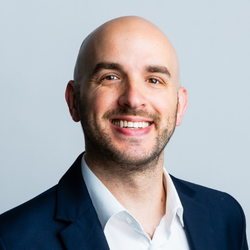
Rob Deutsch
Rob is a data and technology leader with broad experience bridging actuarial science, analytics, and software development. He has led teams across Australia, Japan, and the US, including serving as Chief Operating Officer of a Hawaii-based engineering SaaS and founding two analytics products. As Deputy Chair of the Actuaries Institute’s Data Science & AI Practice Committee, Rob is passionate about the practical applications of AI, data science, and technology in decision making, and about helping actuaries stay ahead of emerging data trends.
Chair: Anthony Lowe
Anthony is a Non-Executive Director, Actuaries Institute Council Member, and the former CEO of an NDIS service provider. He was previously CEO at Prostate Cancer Foundation of Australia, co-lead of the National Health and Medical Research Council Centre of Research Excellence in Prostate Cancer Survivorship, and Adjunct Associate Professor at Griffith University. He holds a PhD in quantum field theory.
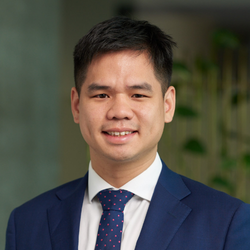
Byron Wong, Acenda
Byron Wong is an actuary, with experience across corporates and consulting, he is currently working in group pricing. He has a strong interest in data-driven decision making and uncovering hidden social dynamics through analytical insights.
Matt Ralph
Matt Ralph is Gen Re’s Regional Chief Actuary in Australia and New Zealand, where he is primarily responsible for managing a team the prices retail and group life reinsurance contracts. He was previously Head of Pricing at AMP and has held a variety of roles in consulting, corporates and start-ups in Superannuation, General Insurance and Life Insurance in Australia and the UK.
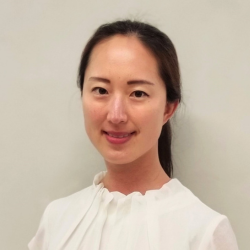
Chair: Iris Kwon
Iris Kwon is a Senior Marketing Actuary at SCOR based in Sydney. She has over 15 years of experience in the life insurance industry, with a particular focus on Group Insurance in Australia, where she has worked across a broad range of actuarial and commercial roles. In her current role, Iris is responsible for the client management of SCOR’s Australian life insurance partners, providing oversight across the insurance value chain, from product and pricing through to claims and customer outcomes. Iris is passionate about the value of life insurance in supporting people at times of need, with a strong personal interest in mental health. She is particularly focused on how life insurance can better support people with mental health conditions through product design, health and wellbeing initiatives, and claims management including prevention, early intervention and rehabilitation.
Dev Jain, KPMG
Dev Jain is a Partner at KPMG Australia, where he leads Technology Risk and Cyber advisory services across financial services organisations. With 20+ years of experience across Australia, the UK, Ireland, and Singapore, Dev has advised global institutions and ASX 100 companies on cyber resilience, regulatory compliance, and risk strategy
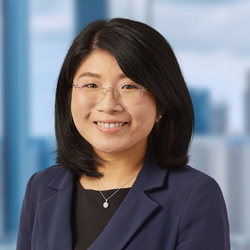
Grace Ng
Grace is a partner in KPMG Australia’s Actuarial practice. She is a qualified actuary with over 20 years of experience across multiple general insurance disciplines, spanning leadership, consulting, and corporate roles in Australia and Asia.
Chair: Augustine Sidik
Shweta Krishna, EY
Shweta Krishna is a Director in Actuarial Services at EY, with more than 15 years’ experience advising on risk, capital, and strategy. <br><br>She has deep insurance sector expertise and broad coverage of key industry issues typically arising in Australian life insurance business. She works closely with clients to understand their challenges and commercial needs, translate complex modelling into clear, pragmatic solutions that drive confident decision-making. <br><br> She is an active member of the Climate & Sustainability Practice Committee (CSPC) and leads the Actuaries Institute Accounting Standards & Reporting Initiatives Sub-committee of the CSPC. She has led the response on a number of Climate-related submissions for the Actuaries Institute (including ISAP 8 and IAN 200) and involved in developing Industry guidance on climate related Stress & Scenario testing for Australian entities.
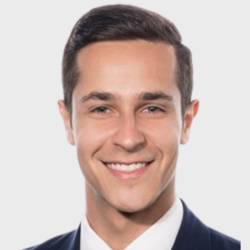
Andy Kanchick, EY
Andy is a Senior Manager within EY’s Actuarial Services practice providing consulting advice to a range of local and international general insurers and reinsurers. Andy has a broad range of experience across capital and risk management, reinsurance, reserving, underwriting and pricing, having worked in both corporate and consulting capacities for over 13 years. Andy has a strong interest in driving the ESG agenda and is an active member of EY’s Insurance ESG working group.
Chair: Calise Liu, Finity
Calise is an actuary with ten years of experience at Finity Consulting. She works in a range of general insurance areas including climate risk, long-tail reserving, pricing and data analytics. She is a co-author of the three Actuaries Institute reports on Home Insurance Affordability in Australia. Calise was awarded ANZIIF’s Young Insurance Professional of the Year in 2023.
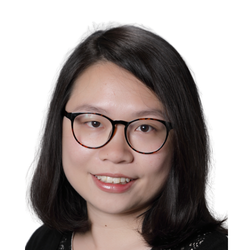
Queenie Chow, Milliman
Queenie calls herself an “actuary without borders” – a passionate actuary working in global development and inclusive insurance. Queenie works with the MicroInsurance Centre at Milliman as Senior Program Director leading the UNDP-Milliman Global Actuarial Initiative (GAIN) which focuses on building the actuarial profession in more than twelve low-middle income countries across Africa, Asia and Latin America. Inspired to make insurance accessible to all, Queenie has previously worked with the Impact Insurance Facility of the United Nation’s International Labour Organization across countries inclusive of Kenya, Togo, China and Philippines etc. She is an Australian-qualified actuary with over 15 years of experience working in consulting and has been working within the microinsurance innovation space. Queenie was recently given the “40 under 40: most influential Asian-Australian Awards.
Xiao Xu, UNSW
Dr. Xiao Xu is a Senior Lecturer and Nominated Accreditation Actuary in the School of Risk and Actuarial Science at the University of New South Wales (UNSW), Australia, and serves as the International Research Manager at the Society of Actuaries (SOA). Her research interests focus on variable annuities, risk management, and deep learning. At the SOA, she is responsible for managing research projects and conducting studies across the APAC region. Before joining UNSW in 2020, Xiao had years of industry work experience in life insurance, consulting business and VC entrepreneurship. She earned her PhD at UNSW, an MSE from Johns Hopkins University, and a BBA from the University of Wisconsin-Madison. Xiao also holds several professional qualifications, including Chartered Financial Analyst (2019), Chartered Accountant - Australia (2019), Fellow of the Institute of Actuaries of Australia (2018), Certified Public Accountant - USA (2018), Financial Risk Manager (2016), Fellow of the Society of Actuaries (2015), and Chartered Enterprise Risk Analyst (2015).
Mike Callan
Mike has over 30 years’ experience in life insurance, wealth management, pensions and educating actuaries. Whilst in Europe, he led a team of over 30 actuaries covering product design, reserving, embedded value profit reporting and built up a risk management function for a large, multi-national insurer. Mike set up the Part II program at Monash University and is now leading all aspects of the Institute’s education activities.
Kitty Chan
As the Asia Community Lead, Kitty drives strategic engagement across the Asia-Pacific region, creating vibrant actuarial communities that connect members with industry leaders, regulators and professional partners. With actuarial experience in Sydney and having lived in Taipei, Singapore and now Hong Kong, Kitty brings comprehensive understanding of Asia's diverse actuarial landscape. She is dedicated to servicing Asia-based members and building bridges between Australian and Asian actuarial communities.
Colin Priest
Colin Priest is an actuary/data scientist/marketer/communicator/educator who has held several CEO and general management roles, where he has championed data-driven initiatives in financial services, healthcare, security, oil and gas, government, and marketing. With a passion for how humans and AIs can work together, Colin has contributed to Singapore Government projects on AI ethics, AI governance, and the future of work. Colin strongly supports the science of healthcare and does pro bono work for cancer research. Despite having more than 20 years of experience educating actuaries, Colin is still learning about learning.
Chair: Jason Yu
Dylan Neenan, Finity
Dylan is an actuary specialising in the development of GenAI systems. With over ten years’ experience in product development and insurance analytics, he is at the forefront of the latest AI developments, helping insurers and underwriting agencies modernise their operations and embed AI across their organisations. Dylan co-leads Finity’s AI and Insurtech practices, with wealth of experience in machine learning, data analytics, and personal and commercial lines pricing. Dylan is always on the lookout for innovative opportunities to implement new technology to further his clients’ goals

Liivika Tee, Finity
Liivika Tee is a Data Science Actuary at Finity with a PhD in Mathematical Statistics. She specialises in using advanced statistical and machine learning techniques to generate insights and support better decision-making. Liivika has worked across insurance, financial services and retail, leading a range of projects in personal lines pricing, predictive modelling for asset values, large-scale technical transformations and product development. As a member of Finity's AI team, she has an active role in shaping AI strategy, developing innovative applications, and guiding the responsible adoption of AI across the firm.
Chair: Justin McGee Odger
Julie Evans
Julie Evans is an actuary with a 30+ year career, much of it specisalising in personal injury compensation. She worked for many years as a consultant, before joining WorkSafe Victoria where she held a number of senior executive positions. Over her career she has also been able to take a number of opportunities for overseas secondments. Describing herself now as “semi-retired” Julie continues to do some consulting work, and is a non-Executive Director with several not for profit oreganisations in Victoria. Julie has always had an interest in ethics and ethical decision-making, so is pleased to be a member of the Actuaries Institute Professionalism Committee. One of her interests in this role is further exploring how to engage members on professionalism and to provide them with great CPD opportunities.
Jess Chen, CFO, AustralianSuper
Jess is an actuary with over 20 years of financial services experience. She is currently the CFO of AustralianSuper, Australia’s largest superannuation fund. Prior to that, she has held various senior financial management and actuarial roles across the banking and insurance sectors, including at Westpac, QBE and TAL. Jess has a keen interest the advancement of genetics and its societal impacts and is passionate about fostering emerging talent and supporting their professional journeys.
Nicolette Rubinsztein AM, Non-Executive Director, Actuary, Author
Nicolette is a non-executive director in the finance industry. She is Chair of CBHS Heath Fund, on the board of Zurich and was previously on the boards of UniSuper, Class and SuperEd. She is also Chair of Greenpeace Australia Pacific and a South African charity committee, Missionvale Australia. In 2024 she was made a Member of the Order of Australia (AM) for her service to business. She was President of the Actuaries Institute in 2019 and was a director of ASFA for eight years. Prior to her board career, Nicolette held senior roles with CBA/ Colonial First State, BT and Towers Perrin. Nicolette is a qualified actuary, holds an executive MBA from the AGSM and is a Fellow of AICD. She is author of the book “Not Guilty”, a guide for career mums. She is married to Jonathan Rubinsztein and they have three daughters.
David Whittle, CRO and Actuary
David was President of the Actuaries Institute in 2024, and served on the Institute’s Council for six years. He has 35 years’ experience in the insurance industry spanning general and life insurance, multinational insurers and consulting firms plus roles in reserving, pricing, underwriting and general management and risk management. Until 2023 David was the Chief Risk Officer for CBA’s Wealth & Private business, and prior to that he was Chief Reserving Actuary for Zurich’s Asia-Pacific general insurance business across nine countries, as well having been a KPMG Partner and having held senior roles at Allianz Australia.
Marcello Negro
Marcello is an Actuary at Finity who has worked in the general insurance industry since 2012. Marcello was previously based in Finity's Sydney office, but is now based out of the Melbourne office servicing a wide range of clients in both cities. Marcello's role as 'Head of Product' sees him using his deep industry knowledge, actuarial background, and collaborative approach to lead the design and delivery of software solutions that enable growth, improved accuracy and greater efficiency in the insurance sector. He oversees the management and go-to-market strategies for Finity's growing set of software solutions, and has been instrumental in the success of many individual products, including previously leading the best-in-class competitor monitoring software platform, as well as a market leading rating engine. Marcello also leads Finity's Insurtech and start-ups area, providing strategic and actuarial advice that enables underwriting agencies develop their product, pricing and distribution strategies to launch their businesses. He has used his experience to develop innovative telematics motor products, embedded householders' insurance offerings, as well as tech-enabled broker distributed business packages products. Marcello is passionate about using technology to provide practical insights and innovative products that provide value for his clients. Marcello is a regular presenter locally and abroad, including addresses to boards, leading strategy sessions for insurers, and also addresses professional organisation including The Australian and New Zealand Institute of Insurance and Finance (ANZIIF) and the Actuaries Institute.
Caroline Lamb
Caroline is a professional board director and senior leader with experience across private, public, and for-purpose organisations. She is currently Chair of the NSW Independent Liquor and Gaming Authority and is a member of the Institute's Professional Standards Committee. Building on a background in corporate law, Caroline developed strategic and general management expertise during 10 years at AMP where she also developed affection and respect for many of her actuarial colleagues. Her interest in the intersection of ethics and professional standards led her to leadership of professional organisations (Medical Council and College of Midwives) and the regulation of professional standards (Professional Standards Councils). She is always up for a glass of good red and a chat.
Chair: Amanda Aitken, Actuaries Institute
Amanda is a member of the Institute's Actuarial Education team. She brings her passion for teaching and years of actuarial experience to this role, which is focussed on delivering high-quality Actuary and Fellowship Program subjects. Amanda is currently a member of the Data Science Practice Committee and the Data Science Education Faculty.
Ilan Leas, Retender
Ilan is a former Chair of the Life Insurance and Wealth Management Practice Committee at the Actuaries Institute. He is the Managing Director of Retender and has spent his career in life insurance and reinsurance, across a number of countries and organisations. He has authored a book about start-ups and is passionate about entrepreneurship and trying new things.
Chair: Ian Laughlin
Ian Laughlin has held senior management and board roles in life insurance and superannuation in Australia, the UK, New Zealand and Hong Kong over several decades. He also has been Deputy Chairman of APRA, the prudential regulator of banks, insurers and superannuation funds. He has a longstanding interest in risk management and risk culture, with a particular recent focus on how changing social attitudes and norms shape emerging risks for financial services businesses. In recent years he has provided consulting services to boards and senior management through PFS Consulting.
Henk Meintjes, Munich Re
Henk is a Fellow of the Institute of Actuaries of Australia and joined Munich Re Australia in 2021. He is passionate about the value of (re)insurance and finding optimal solutions to enable clients to grow the market. Prior to moving to Australia, Henk was Head of Risk Products across direct, bancassurance and high advice channels for Liberty Life in South Africa.
Jonathan Blunden
Chair: Adam Edwards, FIS
Adam is a Senior Sales Executive at FIS with more than 25 years’ experience working across the Life and General Insurance sectors, supporting actuarial, finance, and risk teams through periods of regulatory change and technology transformation. Adam works closely with Insurance risk leaders across Australia and New Zealand, bringing a strong understanding of the actuarial role within the insurance value chain—spanning valuation, capital, pricing, risk management, and financial reporting. His work focuses on helping actuarial teams modernise core actuarial ecosystems, strengthen governance and controls, and operate efficiently within increasingly complex regulatory and stakeholder expectations.
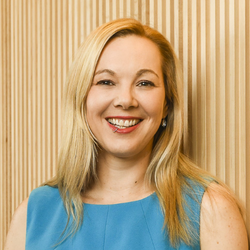
Joanna Aldridge, QBE
Dr Joanna Aldridge is the Group Head of Catastrophe Research at QBE Insurance. She has 20+ years experience in catastrophe and risk research and a PhD from and is an honorary affiliate of the School of Geosciences, University of Sydney. Joanna's research interests span tropical cyclones, severe convective storm, climate change and coastal hazards.
Dmitry Gorelik, QBE
I’ve spent my career at the intersection of actuarial science, catastrophe modelling, and strategic risk management. As Head of Accumulation Management for AusPac at QBE, I lead a team that transforms complex data into actionable insights—helping our business navigate uncertainty and build resilience.But beyond the models and metrics, I’m passionate about people. I believe in the power of mentorship to shape careers, spark confidence, and open doors. I’ve been fortunate to learn from some of the best minds in the industry, and now I’m committed to paying it forward.
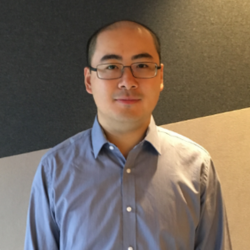
Chair: Steven Zhu
Steven Zhu is a qualified actuary and a member of the Institute of Actuaries with 7 years experience in Catastrophe modelling and accumulation management. He is currently the Catastrophe Modelling Manager for CAT Risk Strategy at QBE. Steven is passionate about peril modelling and pricing, data analytics, portfolio optimisation and climate change.
Joy Liu, HCF
Joy is a senior health actuary at HCF, with extensive experience in digital health, health financing, and the design of innovative healthcare solutions. She also serves on the Health and Care Research Sub-Committee of the Institute and Faculty of Actuaries, which supports and guides member-led research initiatives in health and care. Beyond her technical expertise, Joy is deeply interested in how actuaries can adapt and thrive in a rapidly changing world. Her work explores the evolving role of the actuarial profession in the age of AI and the opportunities for actuaries to create meaningful impact across the healthcare system. She has also published research on actuarial practice in Australia’s private health insurance sector and has guest lectured for honours students at Curtin University on actuarial applications in health and data analytics.
Chair: Adam Stolz, Medibank
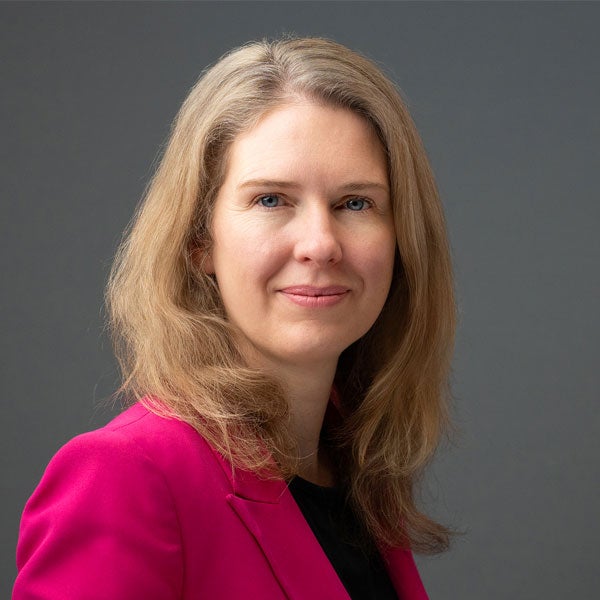
Danielle Wood, Chair of the Productivity Commission
Danielle Wood is a leading voice in public policy and economic reform. Now Chair of the Productivity Commission, she brings experience from her time as CEO of the Grattan Institute and senior roles at the ACCC and NERA Economic Consulting. She has also served on key national advisory bodies and co-founded the Women in Economics Network. In her keynote, Charting Australia's Economic Future: Insights from the Productivity Commission Danielle will outline how Australia can lift productivity through evidence-based reform. She will share insights from recent Commission inquiries on workforce participation, regulation, technology and service delivery. Attendees will gain a clear view of upcoming economic challenges and how actuaries can contribute through stronger policy design, better data use and effective risk management.
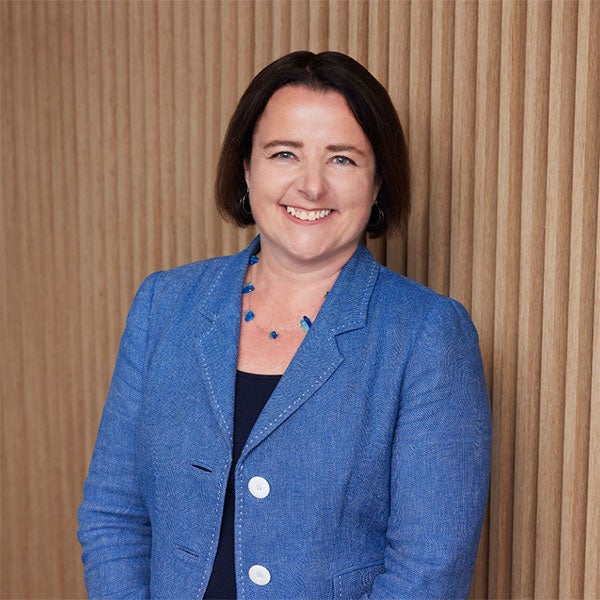
Chair: Elayne Grace, CEO, Actuaries Institute
Elayne Grace is the Chief Executive of the Actuaries Institute, the professional body representing actuaries in Australia. Elayne’s drive has resulted in key research into data and AI, climate change, governance, longevity risk and retirement, mental health, and intergenerational equity. Elayne has 25 years’ international experience with leading consulting firms and major insurers, including as a leader of some of the earliest collaborations between business, scientists and NGOs on climate change and risk. She has provided strategic, economic and financial advice on mergers and acquisitions, valuations, product development, strategy development, international governance and emerging risks. She has been an adviser on a Commonwealth Treasury expert panel and to the Indigenous Land Corporation Board on the long-term sustainability of its investments. Elayne was recognised in The Australian Financial Review 100 Women of Influence (2019) awards and Voice Project Best Workplace (2021) awards for exceptional levels of employee engagement and satisfaction. Elayne is a graduate of the Australian Institute of Company Directors and a Fellow of the Institute of Actuaries and of the Institute and Faculty of Actuaries (UK).
Alissa Holz, Senior Vice President, Chief Executive Officer
Alissa Holz is Senior Vice President and Chief Executive Officer, RGA Australia and New Zealand (ANZ), for RGA Reinsurance Australia. Appointed to the role of CEO in April 2025, she has overall responsibility for the management of RGA’s operations in ANZ, including strategy, client engagement and financial results. With over 25 years of experience in the life insurance industry, Alissa brings a wealth of client experience and depth of market knowledge to her role with a proven track record of leadership within RGA. Alissa joined RGA in 2006 and has held a number of roles across both Australian and Asian markets. She served as the Head of Business Development, ANZ, from 2018 to 2024, helped lead the growth of Asian markets in her role as Chief Pricing Actuary for Asian Markets from 2012 to 2018, and in 2024 was named Deputy CEO for New Zealand and Australia. Alissa received her Bachelor of Applied Science Degree in Mathematics from the Queensland University of Technology, is a Fellow of the Institute of Actuaries of Australia (FIAA) and a Member of the Australian Institute of Company Directors (MAICD).
Drew MacRae, Senior Policy and Advocacy Officer, Financial Rights Legal Centre
Drew MacRae has worked in policy development and advocacy for over 20 years. Drew is currently Senior Policy and Advocacy Officer at the Financial Rights Legal Centre, where he represents the interests of banking, insurance and other financial services consumers. Drew is also the consumer representative on the Insurance Brokers Code Compliance Committee. He recently led the joint consumer submission to the 2026 independent review of the Life Insurance Code of Practice, having done so for the previous review as well as the initial introduction of the code. Prior to his work in the financial services sector, Drew worked in film, television and media sector policy and before that worked as a journalist.
Jane Magill, Executive Director, Life, Private Health Insurance and Superannuation, APRA
Jane joined APRA in May 2023 as Chief of Staff and Enterprise Services before being appointed as Executive Director, General Insurance and Banking in August 2024. She has over 30 years’ experience across banking, funds management and commodity trading with broad risk management and commercial leadership experience in Australia, Europe and the Americas at institutions including Macquarie, Bankers Trust, Commonwealth Funds Management, Japan’s Sanwa Bank and Wood Gundy. She has held a range of other senior leadership roles including executive and non-executive director in both listed and private entities. Prior to joining APRA, Jane was Global Lead – Business Operational Risk, Commodities and Global Markets Group at Macquarie. Jane is passionate about diversity, and has championed programs to improve gender inclusion, to celebrate cultural, linguistic and neurodiversity, as well as to highlight various social impact causes. Jane has a Master of Arts (Natural Sciences) from University of Cambridge and is a graduate of the Australian Institute of Company Directors.

Gerard Kerr, Chief Executive Individual Business, Acenda
Gerard is an experienced executive with over 30 years in the insurance industry. As Chief Growth Officer, Gerard is responsible for leading Acenda’s growth agenda across the Individual, Group and Retirement portfolios. Before joining Acenda, he was the Group Executive – Life Insurance for ClearView Wealth where he led all aspects of the life insurance business, including product, pricing, underwriting, claims, operations, customer and adviser experience. Gerard has also held senior leadership roles at Zurich, ANZ Wealth (OnePath Life), and Asteron.
Ian Laughlin
Ian Laughlin has held senior management and board roles in life insurance and superannuation in Australia, the UK, New Zealand and Hong Kong over several decades. He also has been Deputy Chairman of APRA, the prudential regulator of banks, insurers and superannuation funds. He has a longstanding interest in risk management and risk culture, with a particular recent focus on how changing social attitudes and norms shape emerging risks for financial services businesses. In recent years he has provided consulting services to boards and senior management through PFS Consulting.
Fibian Hungerford, Deloitte
Fibian is an Associate Director at Deloitte and has extensive experience in the life insurance industry, working as a senior member of or adviser to finance and actuarial teams in a variety of environments. Fibian is passionate about driving meaningful change in how the life insurance industry responds to mental-health-related disability. Having seen first-hand the growing strain that TPD experience places on both claimants and insurers, she believes this is not just an actuarial or financial issue - it is a human and systemic one. She is committed to contributing to an industry recalibration - one that aligns financial sustainability with compassion, prevention, and resilience.

Alan Merten, Deloitte
Al joined Deloitte as a Partner in Sydney in February 2016 and has almost 40 years of experience across the breadth of financial services in consulting and corporate roles. He is a qualified actuary who has always used his technical and financial expertise in the insurance industry to advise or lead businesses to improve their performance. His sector experience includes life insurance, wealth management (including Superannuation and Pensions), health insurance and general insurance. Alan has lived and worked in Australia, Asia and Europe and in consulting and executive leadership roles. Aside from general management roles, he has covered the full value chain from customer and distribution, through to product and operations as well as the Appointed Actuary, assurance and other financial aspects of running businesses. His advice and expertise is sought out by Boards, senior management, industry bodies and regulators.
Chair: Esther Serem
Esther Serem is an actuary with 20+ years’ experience across Life and General insurance in Australia and Africa, specialising in valuation, pricing, and claims operations. She is a Senior Pricing Actuary at SCOR Life & Health and is passionate about delivering sustainable, affordable insurance solutions.
Michael Sherris, UNSW
Michael Sherris is Emeritus Professor in the School of Risk and Actuarial Studies at UNSW Sydney. He is Program Lead Investigator in the Centre for Population Ageing Research (CEPAR). He was Head of Actuarial Studies at UNSW having been appointed to UNSW in 1998 to establish the Actuarial Studies program. He is a Fellow of the Institute of Actuaries of Australia, the Institute of Actuaries (UK) and the Society of Actuaries (North America). His research focuses on longevity, health and functional disability risk modelling, long term care insurance and longevity risk management.
Chair: Brendan Pon
Ben Lim, Hannover Re
Ben is a Group Pricing Actuary at Hannover Re. Ben's prior roles span across valuations, experience investigations and actuarial systems. FIAA
Kieran Wu, Hannover
Kieran is a Senior Pricing Actuary at Hannover, with over a decade of experience across group insurance product design, pricing, and portfolio strategy. He specialises in translating complex actuarial and commercial challenges, into practical commercial outcomes and has worked closely with insurers to develop sustainable group insurance solutions.
Chair: Byron Wong, Acenda
Byron Wong is an actuary, with experience across corporates and consulting, he is currently working in group pricing. He has a strong interest in data-driven decision making and uncovering hidden social dynamics through analytical insights.

Hamish Wilson
Kumaran Manoharan
Kumaran joined PL Re in 2022 and has been involved in the pricing, product development and strategy behind a range of individual retirement opportunities locally and across the globe. Prior to that Kumaran spent five years in the Ernst & Young Life & Wealth actuarial team working across a range of life insurance, wealth management and retirement income projects. He is a member of the CALI Retirement Working Group and the International Actuarial Association’s Water Risk Taskforce.
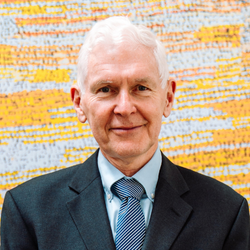
Chair: Anthony Asher, UNSW
Anthony Asher is an actuary and part-time Associate Professor at the UNSW Business School. His working life has been divided between university teaching and a variety of professional roles including Chief Actuary of a life insurer
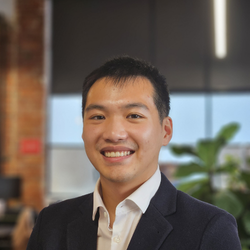
Garvin Tso, Laneway Analytics
Garvin is an industry thought leader and trusted adviser to fund executives - an expert in matters of retirement, product design, public policy, data analytics and its applications across the wide breadth of superannuation functions. He entered the superannuation industry as a victim of misconduct, and has made improving members' outcomes his calling ever since. His proudest achievements include producing the modelling behind the successful public policy campaigns for super to be paid on Paid Parental Leave and LISTO reform. More recently, he has been advocating for a default system for the retirement phase of super, authoring Default Pension Mechanism in 2025, and now formally adopted as HESTA's public policy position.
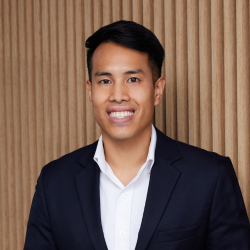
Chair: Aidan Nguyen
Aidan is Public Policy Lead at the Actuaries Institute where he works with members across superannuation, investments and life insurance. Aidan previously worked at a peak wealth industry body and before that as a consulting actuary.
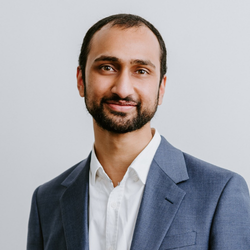
Rohan John, LeavePlus
Rohan John is a strategic data and analytics leader with a rare ability to bridge actuarial science, artificial intelligence, and enterprise architecture. With experience across insurance, disability, government, and regulatory sectors, Rohan has led high-impact transformations that align data capability with corporate strategy and long-term organisational goals. Currently leading the Data and Analytics function at LeavePlus, Rohan has architected and delivered a modern, cloud-native data ecosystem using Microsoft Fabric and medallion-layered design. His work has enabled scalable self-service reporting, certified datasets, and semantic modelling, while embedding federated data governance that empowers business units to take ownership of their data. This approach has uplifted enterprise data maturity and positioned the organisation for AI readiness and decision intelligence. Rohan’s technical expertise spans predictive modelling, natural language processing, segmentation, and traditional actuarial methods such as reserving and financial forecasting. He has built AI-powered tools to support customer service, operational efficiency, and strategic planning, and is known for translating complex analytics into clear, actionable insights for executives and boards. Beyond delivery, Rohan is a passionate advocate for ethical analytics, data literacy, and capability uplift. He builds high-performing teams, drives cross-functional collaboration, and designs data ecosystems that are secure, scalable, and strategically aligned. His career reflects a commitment to solving real-world problems through data — with a focus on impact, integrity, and innovation.
Chair: Mark Samuels
Young Tan, Aware Super
Young Tan is an Associate Portfolio Manager, Retirement Strategy at Aware Super, focusing on lifetime income products, decumulation, member outcomes, and digital tools for retirees. He previously led UniSuper’s inaugural retirement income strategy and built in-house retirement adequacy and retirement projection capabilities, after starting his actuarial career at Russell Investments. He has presented and co-authored papers on pooled income solutions at industry conferences and serves on the Actuaries Institute’s Superannuation Projections and Disclosures Sub-Committee.

Adrian Portell, Aware Super
Adrian Portell is a Senior Actuarial Analyst at Aware Super, where he focuses on defined benefits and digital tools. Before joining Aware Super, he spent five years as a general insurance actuarial consultant at Finity Consulting. Adrian has strong interests in optimisation, automation, and machine learning—both in actuarial practice and in their broader societal impacts. He came to actuarial science later in his career, following a decade as a professional musician in the music theatre industry, most recently performing on the New Zealand tour of Hamilton.
Chair: Sacha Antioch, RGA
Sacha Antioch is the Head of Business Development at RGA, where she is responsible for the development and execution of the sales and in force management strategy for the RGA Australia and New Zealand business. Prior to RGA, she spent 10 years at AMP/Resolution Life as an actuarial leader across finance, strategy and advice roles. Sacha has strong interests in the development of the retirement market in Australia and the role of innovation, longevity solutions and public policy in delivering improved member outcomes.
Xiao Xu, UNSW
Dr. Xiao Xu is a Senior Lecturer and Nominated Accreditation Actuary in the School of Risk and Actuarial Science at the University of New South Wales (UNSW), Australia, and serves as the International Research Manager at the Society of Actuaries (SOA). Her research interests focus on variable annuities, risk management, and deep learning. At the SOA, she is responsible for managing research projects and conducting studies across the APAC region. Before joining UNSW in 2020, Xiao had years of industry work experience in life insurance, consulting business and VC entrepreneurship. She earned her PhD at UNSW, an MSE from Johns Hopkins University, and a BBA from the University of Wisconsin-Madison. Xiao also holds several professional qualifications, including Chartered Financial Analyst (2019), Chartered Accountant - Australia (2019), Fellow of the Institute of Actuaries of Australia (2018), Certified Public Accountant - USA (2018), Financial Risk Manager (2016), Fellow of the Society of Actuaries (2015), and Chartered Enterprise Risk Analyst (2015).
Dorothy Cheng, MNC
Dorothy Cheng is a qualified actuary (FIAA, CERA) with over 10 years of experience across pricing, product development, valuation, reinsurance, and M&A. She is known for her collaborative style, strong project management, and ability to bring clarity and structure to complex actuarial challenges. A passionate lifelong learner, Dorothy also facilitates a 500+ member Chinese mums’ support group — an experience that continues to shape her perspective and leadership approach.
Johnathan Ziveyi, UNSW
Jonathan is an Associate Investigator at the ARC Centre of Excellence in Population Ageing Research based at the UNSW Business School where he is an Associate Professor and Associate Head in the School of Risk and Actuarial Studies. He received his PhD in Quantitative Finance from the University of Technology Sydney where his thesis was on the evaluation of early exercise exotic options. His current research interests include longevity risk management, valuation of guarantees embedded in variable annuities and option pricing under stochastic volatility. His research output has been widely published in esteemed quantitative finance and actuarial journals such as Insurance: Mathematics and Economics, Quantitative Finance among others and has been presented at various international conferences.
Chair: Damien Thornley
Hamish Wilson
Hamish is the Global Head of Individual Retirement within Pacific Life Re’s Savings & Retirement business. Based in the UK, he leads the company's global entry into the individual retirement income markets. Hamish joined PL Re in 2016 and was previously Head of R&D and Longevity Business Development . With almost 30 years in the financial services industry Hamish has significant experience spanning life and pensions across the UK, Japan, and Australia in a variety of direct, consultancy and reinsurance positions. Hamish is on the Executive Committee of the Continuous Mortality Investigation and previously headed the IFOA Long Term Care working party.
Cindy Vuong
Cindy joined PLRe in 2017 and has worked across Sydney and London mainly in the Research and Development team, where she has extensive experience in setting demographic assumptions across global annuity markets. Now based in Australia, she is responsible for managing local retirement income business relationships and driving product development, strategy, treaty negotiations, and overall service delivery. She is also a member of the CMI Income Protection Committee and recently joined the CALI Retirement Working Group.
Chair: Nick Kulikov
Karen Lau
Karen Lau is the Insurance Governance Leader in the Trustee Office at Mercer Super, accountable for overseeing the governance of Mercer Super’s insurance arrangements, claims administration and assessment, and the implementation of the Insurance Management Framework. A fully qualified actuary and risk management expert, Karen brings over 20 years of experience across superannuation and insurance. She combines deep technical expertise with a strong understanding of fund operations, risk strategy, product governance, and regulatory requirements to provide practical advice that strengthens decision-making, reduces complexity, and supports robust governance. Her focus is on designing products and services that genuinely benefit members throughout their retirement journey, while helping trustees navigate an increasingly complex environment and safeguarding members’ financial interests. Outside of work, Karen is a hobby farmer at heart. She lives on a 25-acre property on the Mid North Coast of New South Wales with her family, and an ever-growing crew of farm animals.
Jeff Humphreys
Jeff has been practicing as an actuary in the Australian superannuation industry for over 30 years primarily advising trustees including in relation to the death and disability benefits they provide to their members. He is the Convenor of the Institute's Insurance in Superannuation Subcommittee, a member of the Institute's Association. Superannuation and Investments Practice Committee and a Board member of the Life Section of the International Actuarial Association. He was a member of the Superannuation Complaints Tribunal for 6 years.
Chair: Margaret Kerr
Anthony Asher, UNSW
Anthony Asher is an actuary and part-time Associate Professor at the UNSW Business School. His working life has been divided between university teaching and a variety of professional roles including Chief Actuary of a life insurer, consultant actuary, and with APRA. Within the Actuaries Institute he is currently a member Risk and Audit Committee and the Retirement Incomes Working group. He is well known in the profession for his interest in ethics in professional life, particularly the social impact of actuarial work. He is also on the board of Fresh Hope Communities, which operates aged care facilities and retirement villages in NSW, and Chair of the board of PPS Mutual Insurance, which administers and distributes life and disability insurance designed for graduate professionals. The institutional structures of retirement are the focus of his current research, which extends his publications in the fields of regulation, investments and insurance.
Chair: Tim Jenkins
Yolanda Li, EY
Yolanda is a Senior Manager in EY’s Actuarial Services practice in Sydney. She has over 10 years of experience across Life Insurance and Superannuation in both consulting and corporate roles, and is a Fellow of the Institute of Actuaries of Australia. Yolanda brings deep expertise in life insurance financial and management reporting — helping clients navigate complexity with insights that support strategic decision-making and deliver long-term value.
Ean Chan, EY
Ean is a Senior Manager within EY's Actuarial Services team, with experience in Life Insurance, Data Analytics and AI, primarily concentrating on Health and Human Services clients. As chair of the Institute's Young Data Analytics Working Group and member of the Data Science and AI Practice Committee, Ean is dedicated to driving progress in the actuarial field by augmenting our expertise with the latest data science, AI and machine learning methodologies.
Chair: Sammy Liu, Dataly Actuarial
Sammy is a Managing Director at Dataly Actuarial, a data & actuarial consulting company he joined 5 years ago. From humble beginnings, the company has grown to a team of over 25 data and actuarial professionals spanning Australia, New Zealand, and Hong Kong. As a qualified actuary with over 25 years’ experience in the life insurance and superannuation industries, Sammy’s experience spans across consulting and corporates, leading finance and transformation projects on actuarial systems, improvements, and automation. His enthusiasm for integrating data and actuarial skillsets to solve commercial problems for insurance companies have inspired his career decisions and ambition to continue to run and grow a data & actuarial focussed company.
Richard Land, Australian Super
Richard Land is Head of Insurance Product at AustralianSuper, and a keen Actuaries Institute volunteer, including: working group member for the IBNR Technical Paper (2025); lead for the group insurance stream of the Disability Insurance Task Force (2024) and tutor for the life insurance course (2016-2019).
Michael Lin, TAL
Michael Lin is the Head of Group Product and Pricing at TAL. He became a Fellow of the Institute of Actuaries Australia in 2015 and regularly leads industry initiatives on insurance in super and the changing landscape. Michael is a strong believer in the Australian Superannuation system. With over 15 years in the insurance and superannuation industry, he is passionate about strengthening insurance outcomes for superannuation fund members
Chair: Joyce Wang
Joyce is an experience actuary, with extensive experience across retail and group insurance pricing, valuation, and risk management. She is currently Senior Manager, Insurance Pricing at Cbus. She is passionate about developing sustainable products and pricing solutions for the life insurance industry, helping deliver meaningful protection to those in need. She is also a dedicated volunteer with the Actuaries Institute, she has contributed to a range of initiatives including serving as Convenor for the Young Actuaries Program Victoria, helping establish the Young Actuaries Advisory Board, and participating in both the Retail IP Sustainability Working Group and the Insurance in Super Working Group.

John Maroney
John rejoined PFS Consulting as a Principal in November 2025. His prior experience includes senior management, Board and consulting roles, plus managing associations. He has been employed by large and small employers and consultants, within the private and public sectors, within Australia and internationally and he also was self-employed for several years while he developed a successful consulting firm. Key prior roles include CEO of the Actuaries Institute, Australian Government Actuary and Head of Capital and Solvency at the International Association of Insurance Supervisors, which is hosted by the Bank for International Settlements in Basel, Switzerland.
Chair: Anthony Asher, UNSW
Anthony Asher is an actuary and part-time Associate Professor at the UNSW Business School. His working life has been divided between university teaching and a variety of professional roles including Chief Actuary of a life insurer, consultant actuary, and with APRA. Within the Actuaries Institute he is currently a member Risk and Audit Committee and the Retirement Incomes Working group. He is well known in the profession for his interest in ethics in professional life, particularly the social impact of actuarial work. He is also on the board of Fresh Hope Communities, which operates aged care facilities and retirement villages in NSW, and Chair of the board of PPS Mutual Insurance, which administers and distributes life and disability insurance designed for graduate professionals. The institutional structures of retirement are the focus of his current research, which extends his publications in the fields of regulation, investments and insurance.
Home Equity Release
The most obvious way to release housing wealth is to sell the home, but an alternative place to live is then needed. Downsizing works well for a subset of retirees. Then there are “home equity release” product solutions. The most well-known products are reverse mortgages, perhaps better called lifetime loans. These involve borrowing with the home as security, and no repayments until the home is sold. There are also debt-free products and a government scheme.
The Home Equity Access Scheme
This is the (Federal) government scheme, the old Pension Loan Scheme, but with enhancements over the years to make it more flexible and more widely available. It can be a good way to enhance retirement income particularly for those relying solely on the age pension.
Retiree Housing Debt
Not long ago there was a broad public policy presumption that people who own houses retire debt-free. This has shifted with up to 50% of people today retiring with housing debt. What do people with later-life housing debt do? Can they service the debt? Or repay it? If the debt is substantial then perhaps they have to sell their home. Some could take a lump sum from super to pay off debt. An alternative might be to access a portion of their home equity.
Christine Brownfield
Christine Brownfield works in a strategy and actuarial role at Homesafe Solutions, the provider of a debt-free home equity release solution for senior Australians. She also sits on the Board of Lifetime Home, a recent entrant to the New Zealand home equity release market. Christine has a strong interest in the home equity release field and has written papers and articles on the topic. Prior to joining Homesafe, Christine worked in actuarial, finance and strategy roles in life insurance and wealth management, across corporate roles including five years as a life insurance Chief/Appointed Actuary and as an actuarial consultant.
Chair: Martin Mulcare
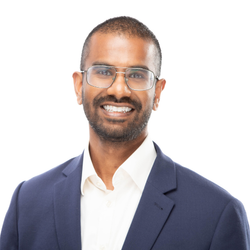
Tikiri Appuhamy, RGA
Tikiri is an Actuary working in the Enterprise Pricing team at RGA, he has extensive experience in the Australian life insurance market pricing retail, group industry funds, group master trusts, and corporate risk products. He has now moved into researching biometrics risks from a global lens. Tikiri has a keen interest in statistics which has lead to him to explore how the life insurance industry can adopt techniques more commonly used in other practices and in sciences more generally.
Colin Yellowlees, EY
Colin is an experienced actuary with over 30 years experience in Life Insurance. He has extensive experience covering pricing, valuations, reinsurance and capital management in both Australia, New Zealand and the United Kingdom. Colin has been a member of the Life Insurance Practice committee and a number of Actuaries Institute working groups and has been a presenter at previous Actuaries Summits.
Chair: Matt Noyce
The Carpe Diem Working Group (CDWG) was established by the Life Insurance Practice Committee in response to the growing challenges facing the industry. The CDWG has spent some time digging into the data, stress-testing beliefs, and working out how we got here. The findings are not comfortable reading.
We'll share what we found.
Then we want to hear from you.
This isn't a passive sit-and-absorb session. We'll use a live audience interaction tool so you can share your honest views anonymously on how we could rebuild a fit-for-purpose life insurance industry. We want to hear your views on distribution, consumer needs, product design, and achieving the economies of scale the industry needs to be sustainable.
This is a room full of people who understand this industry deeply and care about its future. The CDWG wants to capture that knowledge and turn it into something actionable.
It's the last day of Summit, so make it count and contribute to this important conversation.
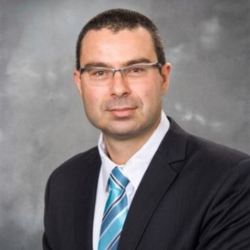
Brett Pickett
Brett Pickett is Head of Group Pricing at Acenda with over 15 years combined experience in Guernsey, the United Kingdom, and Australia. He is a Fellow of the Institute of Actuaries of Australia as well as the Institute and Faculty of Actuaries. His career has included consulting on IAIS and risk based solvency to the Guernsey Financial Services Commission and consulting to general insurance and life captives. Previous to being an actuary, he was an economist at the Productivity Commission. Brett is a member of the Carpe Diem Working Group.
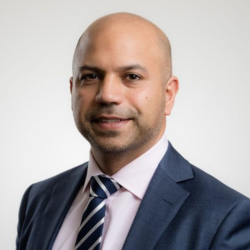
Jas Singh
Jas Singh is the founder and managing director of SKL Executive, a specialised recruitment and search firm delivering high-quality services to the actuarial profession. As a qualified actuary (FIAA) with over a decade of experience in Australia and the UK, Jas leveraged his extensive technical knowledge to found SKL in 2013. Jas is the chair of the Carpe Diem Working Group.
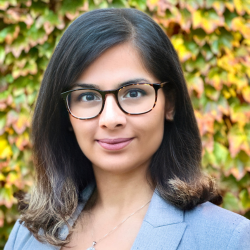
Chair: Avanti Patki
Avanti Patki is a senior product actuary at a dynamic, fast-growing life insurer, PPS Mutual. With over a decade of experience in the life insurance and wealth management industries, she has specialised in strategy and pricing within life insurance and wealth management. Before her current role, Avanti has held roles across AMP and Macquarie Group. Avanti is an avid volunteer with the Actuaries Institute, most recently being part of the LIPC’s Professional Practice Documentation Committee and Carpe Diem Working Group.
Iris Deng, Zurich
Iris is a senior pricing manager at Zurich. She is responsible for leading pricing of new business tenders, and management of existing portfolios. She has years of pricing experience at direct insurers and reinsurer in Australia and overseas. She specialises in retail and group pricing, product development and providing innovative solutions to clients. In addition to her current role, she is a member of the Actuaries Institute Life Insurance and Retirement Education Faculty.

Simon Kong, Actuaries Institute
Simon is the chief examiner for the Life Insurance Applications fellowship subject at the Actuaries Institute. Prior to that, he worked in various industry roles, covering a range of areas including pricing, experience analysis, valuation, capital and reinsurance. His special interests include longevity risk, data analytics, investment and capital management.
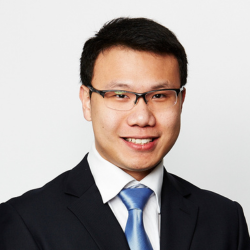
Yean Tat Yong, FIAA
Yean Tat Yong, FIAA, is a Group Risk Pricing Manager with experience in group life insurance pricing. His work focuses on experience analysis, assumption setting, and pricing governance, with a strong emphasis on delivering sustainable insurance outcomes that meets customers’ insurance needs
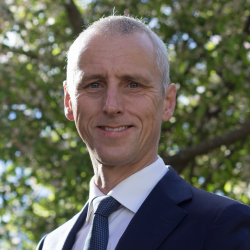
Chair: Francis Burgess
Francis Burgess is a qualified actuary with 35 years experience in financial services especially in the area of group risk pricing where he heads up the Zurich pricing team for Group Insurance. He is passionate about statistical modelling, dancing and is the career of two border collies.
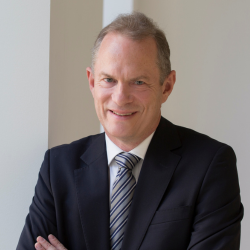
Nick Callil
Nick has more than 35 years of experience helping Australian financial services organisations navigate strategic, design and governance challenges. He specialises in retirement income and has worked in both consulting and industry, advising on retirement, investment, insurance, product design, member engagement and regulatory policy. He is regular speaker on retirement matters and has authored a range of papers and articles on ideas how to improve Australia’s superannuation system. Most recently Nick was Head of Retirement Solutions, Australia at Willis Towers Watson where he worked for over 25 years. Nick has served as an adviser to Federal Treasury on the framework for retirement income products, a director of ASFA and has been a member of a number of industry and Institute committees.
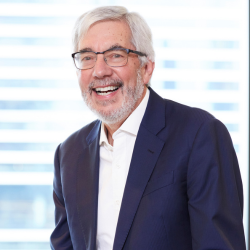
David Knox AM
David was a Senior Partner at Mercer and Senior Actuary for Australia until his recent retirement. He has more than 40 years industry experience. He was the National Leader for Research and Policy and has been the actuary to several public sector superannuation plans. He was the lead author of the Mercer CFA Institute Global Pension Index for 16 years. David has acted as a consultant to a range of financial organisations, in both the private and public sectors, specialising in the superannuation and retirement incomes area. He has spoken and written widely in this area and served on many Government and industry committees. He was President of the Actuaries Institute in 2000.
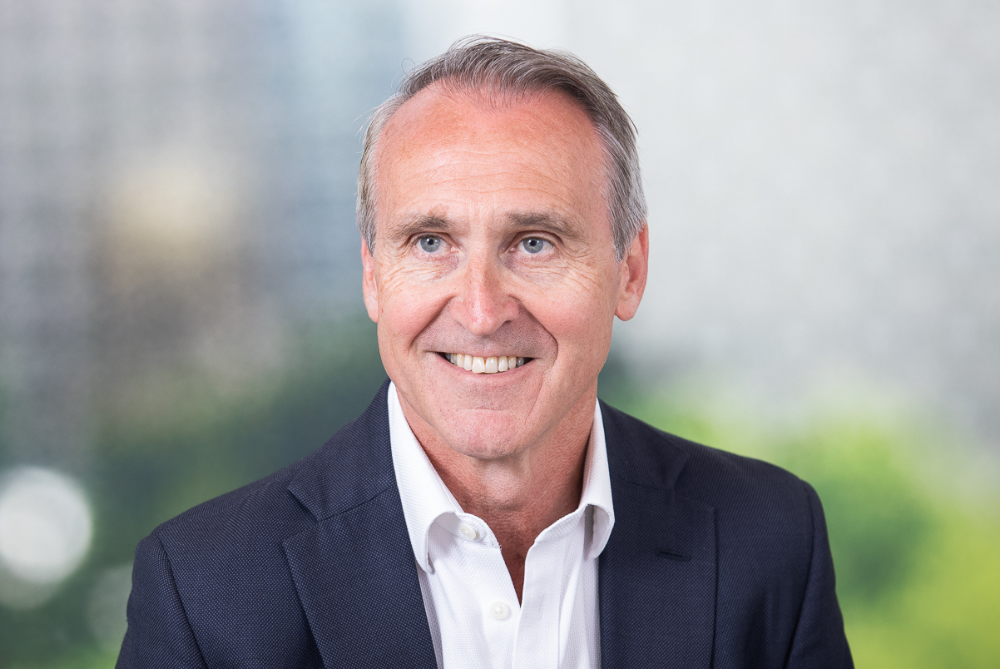
Chair: Andrew Boal, Partner, Deloitte
Andrew is an experienced leader in the financial services industry with specialised knowledge in superannuation, retirement, investments, insurance and risk management. He is currently a Partner at Deloitte in its Actuaries & Investment Specialists team, having previously been CEO of Rice Warner and Head of Australasia for Willis Towers Watson. In addition to being a member of the Plenary Organising Committee for the 2026 Actuaries Summit, Andrew is currently a Director on the Council of the Actuaries Institute and Chair of the Public Policy Council Committee.
Dr Tope Ogundare
Daisy Wang, Munich Re
Daisy Wang, FIAA, CERA is a Client Manager and actuary at Munich Re, where she leads client management and new business tenders and manages the profitability of in-force portfolios across repricing, product change, recaptures and commercial deals. Daisy drives cross-functional collaboration with underwriting, claims and valuation to deliver sustainable pricing outcomes. Previously at PwC Australia, she advised life and general insurers on strategic product and pricing, repricing programs, regulatory responses and M&A due diligence and valuation. Daisy’s experience spans life insurance (TAL, AIA, Resolution Life, MLC, Zurich, Allianz, Swiss Re) and general insurance (Zurich, QBE, ANZ, OnePath). She holds a Bachelor of Commerce (Actuarial Studies & Finance) from UNSW and is an UNSW Co-op Scholar. At the Actuaries Summit 2026, Daisy brings a practical lens on sustainable pricing, capital efficiency and commercial execution
Chair: Ronald Lai, Head of Group Pricing
Ronald has over 25 years of experience in superannuation and life insurance in Australia. He is the Head of Group Pricing at SCOR Global Life. Since joining in 2016, Ronald has been responsible for pricing both Group and Individual lines of business, product development and periodic experience review for existing clients. Prior to joining SCOR, Ronald held similar roles at TAL and CommInsure (now AIA). He has also worked in superannuation as an Actuarial Consultant.
Mariana Fernandez Cedillo, Dataly
Mariana is a Principal Consultant at Dataly Actuarial leading actuarial and data analytics projects. She is an actuary with over 15 years of technical knowledge within life insurance and reinsurance industries. Mariana specialises in Australia’s life insurers data analytics, experience investigations, valuation/pricing assumptions, business intelligence, reinsurance analytics and strategy. Passionate about bridging the gap between technical expertise and business value.
Sammy Liu, Dataly Actuarial
Sammy is a Managing Director at Dataly Actuarial, a data & actuarial consulting company he joined 5 years ago. From humble beginnings, the company has grown to a team of over 25 data and actuarial professionals spanning Australia, New Zealand, and Hong Kong. As a qualified actuary with over 25 years’ experience in the life insurance and superannuation industries, Sammy’s experience spans across consulting and corporates, leading finance and transformation projects on actuarial systems, improvements, and automation. His enthusiasm for integrating data and actuarial skillsets to solve commercial problems for insurance companies have inspired his career decisions and ambition to continue to run and grow a data & actuarial focussed company.
Chair: Edward Tam
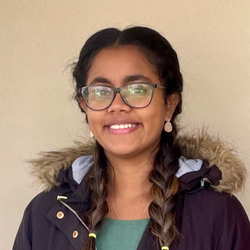
Pramo Samarasinghe, Australian Government Actuary
Pramodya Samarasinghe has completed a double degree in computing and actuarial studies at the Australian National University, specialising in machine learning. She is currently working at the Australian Government Actuary. As part of her Honours research, she focused on integrating health data into mortality modelling to improve forecasts for retirees in Australia. She hopes to further develop and refine this work with the goal of contributing it to the broader actuarial community through publication. Her ambition is to explore and apply the intersection of computing and actuarial science to create meaningful and lasting impact.
Fei Huang, UNSW
Dr. Fei Huang is an Associate Professor in the School of Risk and Actuarial Studies at UNSW Business School. She is also a columnist for Actuaries Digital, writing Responsible Data Science series. Her research focuses on responsible AI and data-driven decision-making, with applications in fair insurance pricing, interpretable machine learning, mortality modelling, and customer relationship management. Her research has been published in leading actuarial journals and has received many prestigious recognitions, including the North American Actuarial Journal Best Paper Award, ASTIN Colloquium Best Paper Award, the Australian Business Deans Council (ABDC) Award for Innovation and Excellence in Research, and fundings from the Australian Research Council (ARC), Society of Actuaries, and Casualty Actuarial Society.
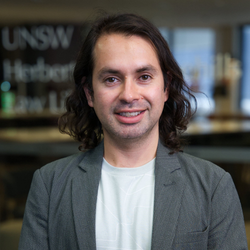
Andrés Villegas, UNSW
Andrés Villegas is an Associate Professor in the School of Risk and Actuarial Studies at UNSW Sydney. He holds a PhD in Actuarial Science from Bayes Business School (City St George’s, University of London), and specialises in mortality modelling, longevity risk, and actuarial applications of analytics. His work bridges academic research and industry practice, notably through the development of the widely used R package StMoMo for mortality modelling and projection. Andrés is the recipient of the 2024 SOA Actuarial Science Early Career Research Award and serves as Associate Editor of the Annals of Actuarial Science.
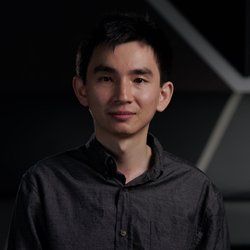
Francis Hui
Chair: Guy Thorburn
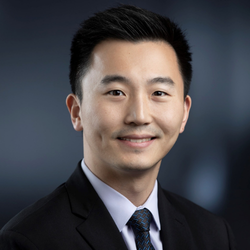
Oscar Chen, CFS
Oscar Chen is a senior leader in retirement strategy, currently driving the design and development of retirement income solutions at CFS. He is passionate about transforming retirement planning into a dynamic journey—leveraging predictive analytics, behavioural insights, and intelligent tools to help members navigate the complexities of retirement with confidence. With deep expertise in product design, modelling, and strategic thinking, Oscar is a strong advocate for member-centric innovation. He has contributed to industry thought leadership, financial literacy initiatives, and mentoring programs that support the next generation of actuaries. Oscar holds a Bachelor of Commerce (Honours) in Actuarial Studies from the University of Melbourne and is a Fellow of the Institute of Actuaries of Australia (FIAA).
Chair: Sacha Antioch, RGA
Sacha Antioch is the Head of Business Development at RGA, where she is responsible for the development and execution of the sales and in force management strategy for the RGA Australia and New Zealand business. Prior to RGA, she spent 10 years at AMP/Resolution Life as an actuarial leader across finance, strategy and advice roles. Sacha has strong interests in the development of the retirement market in Australia and the role of innovation, longevity solutions and public policy in delivering improved member outcomes.

Colin Grenfell
Colin Grenfell is a retired actuary and superannuation consultant. He is a member and former Convenor of the Actuaries Institute Superannuation Projections and Disclosure (SPD) subcommittee. In 2018 he was awarded the Institute’s Spirit of Volunteering Award. Colin has a long-standing passion for stochastic and historical investment simulation modelling. He is the designer and owner of the Austmod investment simulation model. Prior to retirement, Colin held a variety of superannuation, actuarial and investment roles with National Mutual Life. During the past 20 years he has held various superannuation trustee directorships and was a part-time member of the Superannuation Complaints Tribunal (SCT).
Chair: Cary Helenius
In this insightful plenary, Dr Fiona Kerr, The NeuroTech Institute, and Alison Bodinnar, Acenda, bring together neuroscience, insurance insights and financial capability frameworks to explore how funds can better support Australians’ financial resilience. The session will highlight evidence-based methods for communicating complex information, improving member confidence and enabling clearer decisions across life stages — ultimately strengthening long-term retirement outcomes.
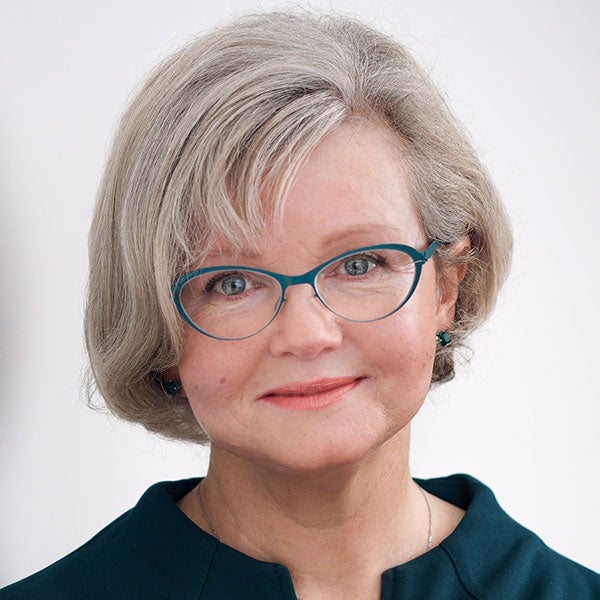
Dr Fiona Kerr, Founder, The NeuroTech Institute
Dr Fiona Kerr is a global expert in human connectivity, synchronisation and the partnership between people and technology. As founder of the NeuroTech Institute and FOCUS, she advises industries worldwide on human centric solutions to complex challenges, drawing on four decades of international experience in systems engineering, cognitive neuroscience, psychology and anthropology. In 2024 she also became Director of AIR at MindChamps in Singapore, advancing research into how digital tools and human proximity shape learning. A Fellow of ATSE and one of Australia’s top speakers, Fiona works with leaders, policy makers and sectors including defence, health, finance and education.
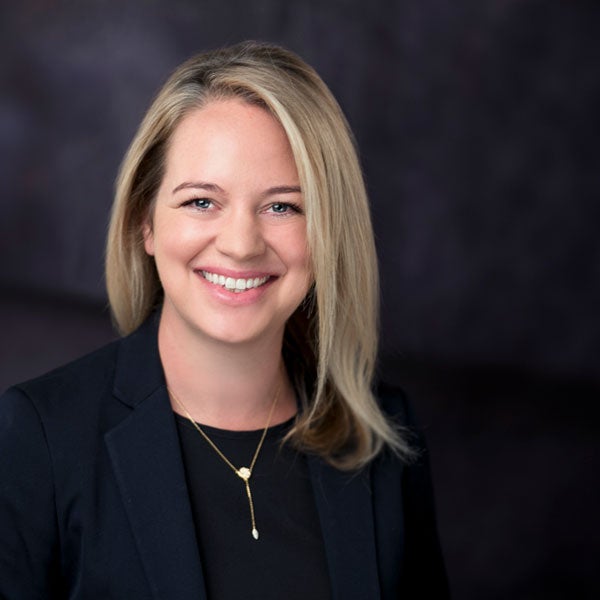
Alison Bodinnar, Head of Product and Proposition, Formerly Acenda
Alison led Acenda’s Group Proposition and Product team, delivering innovative life insurance solutions for superannuation funds and their members. Alison and her team are driving reform through improved disability design and member engagement, advocating for solutions that enhance wellbeing and retirement confidence.
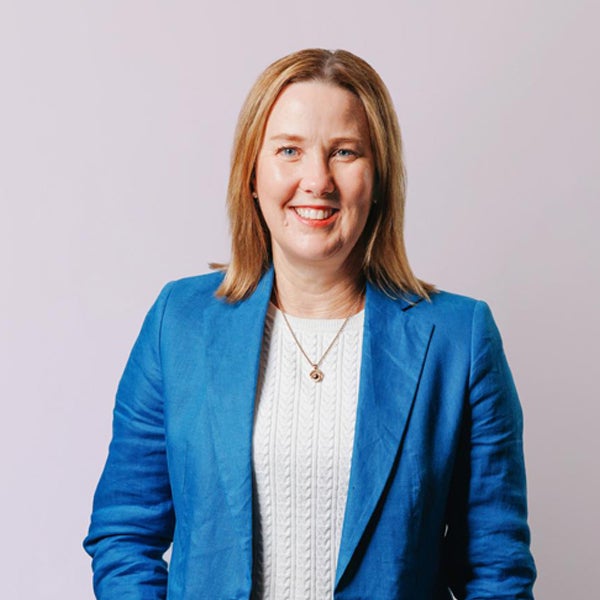
Lara Elgey, Head of Performance & Growth, Member Growth, Aware Super
Lara Elgey understands that modern retirement is about purpose, connection and confidence – not just financial security. With over 25 years in financial services, she leads member growth initiatives and drives performance, strengthening the retirement savings of more than 1.2 million Australians at Aware Super, the nation’s third-largest Superannuation fund. Currently leading program implementation and governance for Aware Super's $30 billion merger with TelstraSuper, Lara brings both strategic and personal perspectives to retirement planning. Her work establishing innovative distribution partnerships through employer technology platforms has revolutionised how super funds connect with members at critical career transitions, making retirement planning an integrated part of working life rather than a distant consideration.
Chair: Andrew Boal, Partner, Deloitte
Andrew is an experienced leader in the financial services industry with specialised knowledge in superannuation, retirement, investments, insurance and risk management. He is currently a Partner at Deloitte in its Actuaries & Investment Specialists team, having previously been CEO of Rice Warner and Head of Australasia for Willis Towers Watson. In addition to being a member of the Plenary Organising Committee for the 2026 Actuaries Summit, Andrew is currently a Director on the Council of the Actuaries Institute and Chair of the Public Policy Council Committee.
Scott Reeves, President, Actuaries Institute
As a Fellow of the Actuaries Institute, Scott has extensive experience in actuarial and non-actuarial roles over more than 30 years. Scott was the Head of New Markets and previously Head of Underwriting, Australasia for the Non-Life division at Munich Re for over 12 years where the team built new verticals for the reinsurance division with a clear emphasis on the implications of climate change for financial institutions, along with opportunities in AgTech, and GreenTech. Before that, Scott held broader roles in reinsurance Client Management, business management in the General Insurance sector, and in consulting outside of insurance. Scott has gained valuable cultural experience through working in Australia, Asia and the UK.
In-person and virtual registration available now
Don't miss the premier event for the actuarial industry.