Feature
Career and Leadership
Diversity and Inclusion, how can we make a difference?


Claim your CPD points
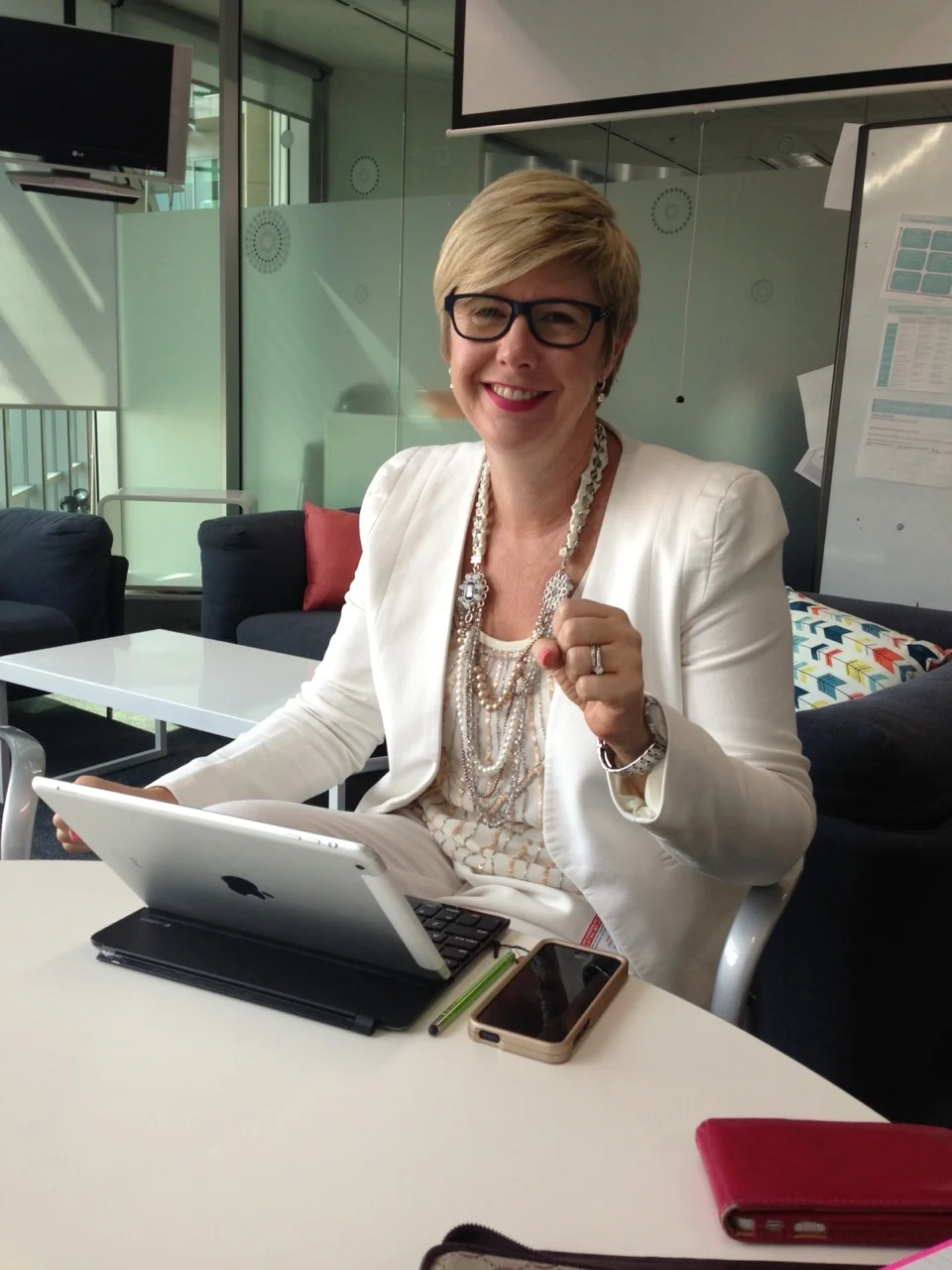
In a recent conversation with Suzanne Patten, Justine Whitaker, the Senior Manager at IAG for Diversity, Inclusion and Belonging, shared her views and practical tips of how we all can make a difference.
I have always been curious about and fascinated with individuality - what motivates people, why they make the choices they do and how we find so many different ways to deal with a similar challenge or opportunity. So, my passion really is grounded in a deeply held desire to learn, understand and to relish what makes us all unique and special.
Including 'Belonging' as part of Diversity and Inclusion also highlights it is not just about embracing our uniqueness, it is also ensuring we know that we matter, that we are welcomed and that we can feel 'safe', in expressing our individuality. I should add that while I am a staunch advocate for realising the potential inherent in our individuality, this needs to be counter balanced with all the wonderful aspects that we share, that bind us and make us all human.
So, it's the nexus of what makes as unique as individuals and what connects us together as humanity - that make me so passionate about Diversity, Inclusion and Belonging (DIB).
Sometimes the diversity rhetoric can feel negatively focused, preaching 'tolerance' and 'acceptance', rather than saying "we are all unique, special and perfect, just as we are". Often, we can have a work self, a home self and a public self, to some extent we filter or hide aspects of ourselves away from others. This might be because we are embarrassed, or we think we might not be accepted or that it is not the right way to do things. I think this is a real shame, as so much energy gets wasted on often filtering out the very best parts of us. The message in our strategy is very simple - just be proud of what makes you you - just be the very best version of yourself. There are strong and obvious links to transparency, authenticity and empathy, but also, we know that it makes for a more resilient, creative and connected team, organisation and ultimately community.
As our realities become increasingly disrupted be it by exponential technology, cryptocurrency, the gig economy or whatever it may be, we need help to be able to connect the dots and make sense of all the information that we receive. One way we can facilitate this is to integrate DIB into all that we do. We refer to this as 'building DIB in, rather than bolting it on'.
An example, is the way we communicate and set organisational culture by the choices of words and images on a day-to-day basis. It is often said that 'if you can't see it, you can't be it', so encouraging choice of language that is inclusive and images that reflect greater diversity, is vitally important. It is my experience that even the most strategic of communications and engagement teams underestimate the amount of power and influence they can exert towards creating a culture of inclusive growth. When you get a moment take a closer look at your company intranet and then ask yourself - who is underrepresented, who is missing and whose voice is not heard - and then ask what can I do to give that voice some air time?
The days of diversity and inclusion being simply a tick box exercise, are well over. We know to be innovative, to become customer centric and to ultimately outperform, is the ability to think in new and creative ways. This requires embracing and actively encouraging different points of view. We need greater diversity in the way we problem solve and create. It is rare for us to work alone, with increasingly work being open sourced, democratised or co-created. It is essential to respect, learn from and leverage points of view which are different from yours. I am a firm believer that diversity, inclusion and belonging are vital pillars in outcompeting in today's rapidly changing social and economic landscapes.
Firstly, we can all make a difference, this is not the domain of HR or executive leaders. It is the role, responsibility and indeed obligation of everyone. Sure, you can do highly visible things such as create a DIB strategy, sponsor a workshop or speak at a conference - these are important. But in my experience, it is the smaller things that matter.
Secondly, we think it always starts with someone else, not us - it doesn't, it starts right here, right now with you - the way you think, the questions you ask, the language you use, who you sit by, whose ideas you endorse, whose perspective you listen to and act upon.
So, let's start there first, ask yourself a few of these questions, regularly:
In addition, there are lots of initiatives that you could facilitate in your organisations from training, to the development of employee resource action groups, to celebrating key days e.g. International Women's Day, to undertaking an accessibility audit to greater consideration of flexible working arrangements. However, as some general advice, keep in mind:
And in the words of Anthea Aime:
Start where you areUse what you haveDo what you can
*Note from Suzanne - I have used the Maori greeting in this article. As an example of personal actions, Justine, a proud New Zealander, often uses these in her emails and communications. I find this a very impactful way of being inclusive and reminding me of our own individuality.
The views expressed in this article are those of the author(s) or working group named below, and do not necessarily reflect the views of the Actuaries Institute. This work is licensed under a Creative Commons Attribution-NonCommercial-No Derivatives CC BY-NC-ND Version 4.0.