COVID-19 Insights Session – The Actuarial Perspective



Claim your CPD points
On Thursday 16 April, members of the COVID-19 Working Group held a very informative session on how the pandemic will potentially affect various industries. The session provided general guidance on what the working group is focused on and what actuaries may need to consider in their roles.
In response to COVID-19, the Institute set up a working group to closely monitor the situation and develop informative material to keep the membership and the public informed of possible future effects. We were thrilled to have over 400 participants attend the virtual Insights session which covered general, health and life insurance, superannuation and stress and scenario testing.
Jennifer Lang, Convenor of the working group, opened the session by providing an overview of the terms of reference that include utilising the unique skillset of actuaries to provide projected insights and strategies to manage risk. Aside from keeping the membership and the general public informed, another key aim of the working group is to support actuaries fulfill their roles amid the crisis. More information on the scope of work and members of the working group can be found here .
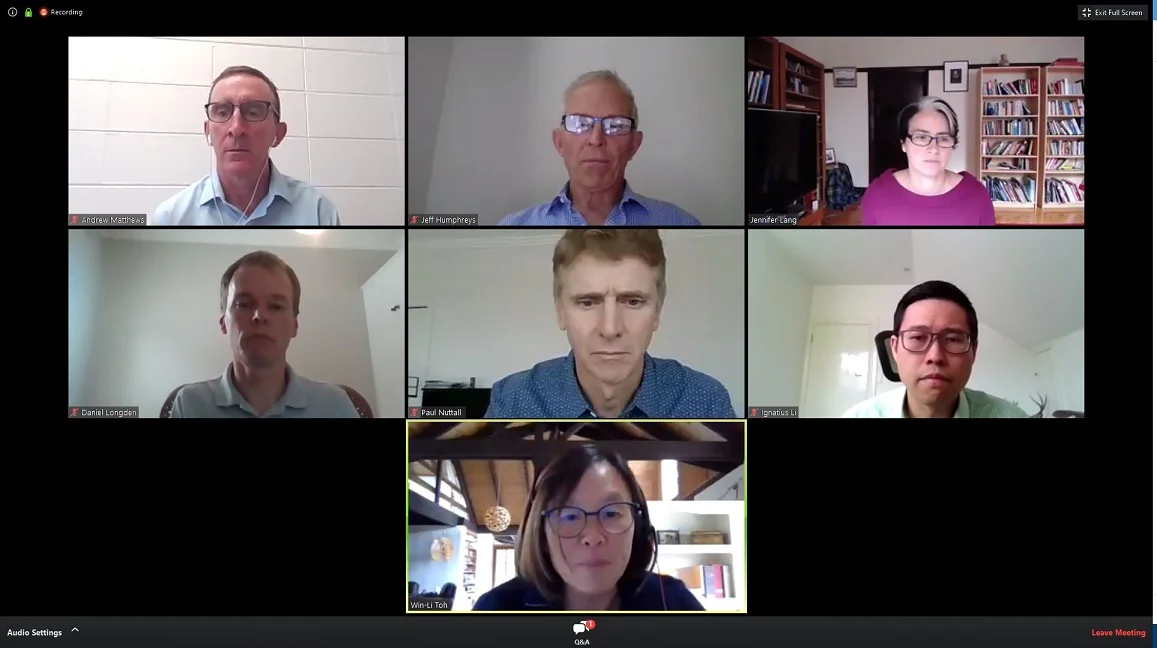
Thanks to the many members who have volunteered to assist this work and have already fed into the work done to date – Jennifer Lang
The GI industry is vast and varied and what we’re seeing and assessing is that the impact can be very different depending on the class of business. The impacts are nuanced and there are a lot of issues to think about that are specialist to each class.
An obvious area of high negative impact is travel insurance with an inundation of claims and queries as well as the prospect of no revenue for an indeterminate period. Classes most impacted by economic issues would include trade credit, surety, lenders mortgage insurance and professional indemnity and directors and officers, to name a few.
The long tail classes (workers compensation and CTP) will also be largely affected with reduced return to work opportunities, increased mental health issues and perhaps more sickness claims in some industries such as health and retail.
Even those classes, such as motor and contents insurance, which may be seen as beneficiaries from a potential reduction in claims, may face pressures from premium rebates and supply demand pressure pushing up costs down the track.
Win-Li says that actuaries will be more involved in more issues they have not previously had to deal with. For example, she highlighted that she has been reading policy and reinsurance documents more closely than ever before, to advise clients appropriately.
Further, she reminded the audience that the aftermath of the Hayne Royal Commission is still on its way and asked, “what will be the impact of the new consumer legislation in this climate?” Design and distribution obligations, unfair contract terms, protection of vulnerable customers are all still coming and it is expected that there will be even more vulnerable customers due to COVID-19.
The working group won’t be ‘prescribing a mortality or morbidity basis’ that actuaries should use, but rather guiding debate and providing guidance notes on this topic.
Insurers are faced with a huge range of direct and indirect impacts and need to consider the interaction of these impacts but Daniel mentions “what’s probably more interesting and potentially more significant from a life insurance perspective is the indirect impacts of this.”
In the superannuation area of the working group, we will be issuing check list/ considerations documents for actuaries advising super funds, information notes and insights sessions.
The issues that the working group have identified so far can be categorised into defined benefits, insured benefits and other.
…its hard to talk about silver lining but if were going to pick one, there is faster reform happening in the health industry than has ever been seen right around the world which creates enormous opportunities for coalitions.
For health actuaries, we face the twin systemic issues of a pandemic and severe economic disruption… In Australia, current efforts have been focused on breaking the chain of transmission and ‘flattening the curve’. Andrew provided an overview of insurer experiences which included premium freezes, no elective surgeries, increased policy cancellations and requests for holidays.
In Australia, we are facing the pandemic right after the bushfire crisis and the response so far has been an economic stimulus. There has certainly been severe economic disruption but the health insurance industry is facing many other pressures.
Ignatius Li, Convenor of the Health Practice Committee, confirmed that “the HPC AGENDA is focused on supporting actuaries in this unprecedented period to get a handle on the health and economic impacts. The government has the difficult task of striking a balance between these two considerations. The eventual course of infection and the policy responses and their outcomes are highly uncertain but will directly impact our health system and on health insurers.”
Many actuaries are delving into stress and scenario testing for the pandemic. His general advice includes:
In some ways, there is a lot of data available but we should be aware that a lot of this data may be understated due to differences in testing etc. Paul and the Stress Test Work Group (a sub group of the COVID-19 Working Group) have released a Pandemic Briefing on Scenario and Stress Testing for actuaries.
The Institute has also set up discussion forums on various topics surrounding COVID-19. Members can share thoughts and provide comments here .
The views expressed in this article are those of the author(s) or working group named below, and do not necessarily reflect the views of the Actuaries Institute. This work is licensed under a Creative Commons Attribution-NonCommercial-No Derivatives CC BY-NC-ND Version 4.0.